
What an OHSU study found three months after one Oregon psilocybin session
A new OHSU-led study of 346 people at Oregon's licensed psilocybin centers found substantial drops in depression, anxiety, and PTSD three months after…
GEM Blog
For years, many Oregon gun owners stayed out of the Oregon Medical Marijuana Program because federal law treated medical cannabis use as unlawful use of a controlled substance, which could block a firearm purchase or possession.
That federal treatment of state-licensed medical cannabis changed in April 2026.
On April 28, 2026, the Justice Department issued a final rule placing FDA-approved marijuana products and marijuana subject to a state medical marijuana license in Schedule III of the Controlled Substances Act. The rule took effect that day.
The rule covers marijuana in an FDA-approved product or subject to a state-issued license to manufacture, distribute, and/or dispense marijuana for medical purposes. DEA also treats a state medical certification — with the patient's name and address, the date, and the issuing practitioner's information — as sufficient to permit dispensing to a patient authorized under state law.
This post is about Oregon's Medical Marijuana Program and state-licensed medical cannabis. Broader rescheduling of all marijuana is a separate DEA hearing process and is not in effect.
Sources: 91 FR 22714 (April 28, 2026), Justice Department announcement, DEA rescheduling page.
Federal law at 18 U.S.C. 922(g)(3) bars people who are "unlawful user[s] of or addicted to any controlled substance" from shipping, transporting, possessing, or receiving firearms.
Once state-licensed medical cannabis is in Schedule III and may be dispensed to OMMP patients under a state certification, that medical use is no longer the Schedule I unlawful use that previously put cardholders in the 922(g)(3) category solely because of their OMMP medicine.
This change is about buying and possessing firearms under federal law. It is not a change to Oregon's concealed-handgun license statute.
On January 22, 2026, ATF issued an interim final rule revising the definition of "unlawful user" in 27 CFR 478.11. The rule took effect that day. It requires regular, ongoing use continuing into the present, and it states that use with a lawful prescription is not unlawful use. Comments were due June 30, 2026. A later final rule adopting or amending the interim rule had not been published as of November 12, 2026. Source: 91 FR 2698.
On May 8, 2026, ATF proposed a revised Form 4473. The form now in use still carries the older warning that marijuana remains unlawful under federal law, including after a state legalizes medical use. The proposed draft drops that categorical medical-marijuana line. That revised form is not yet the official form in use. On July 29, 2026, ATF told the public it was asking OMB to extend the existing form without change while it reviews comments. Sources: 91 FR 25432, 91 FR 25448, 91 FR 47857.
On June 18, 2026, the Supreme Court in United States v. Hemani, No. 24-1234, held that prosecuting Hemani under 922(g)(3) based solely on his marijuana use, on the facts of that case, violated the Second Amendment. The Court described the decision as narrow and did not strike down 922(g)(3) in all applications. Source: the opinion.
The OMMP cardholder list is confidential and not subject to public disclosure. Gun dealers do not have access to it.
State and local law enforcement may query the list only to verify whether a named person is a cardholder or caregiver, or whether an address is a registered grow site, and may not use that information for other purposes. Sources: ORS 475C.859, OAR 333-008-3010, OHA statutes page.
Oregon adults who qualify can enroll in OMMP. Green Earth Medicine provides OMMP evaluations by video, statewide.
Start your evaluation at greenearthmedicine.com.
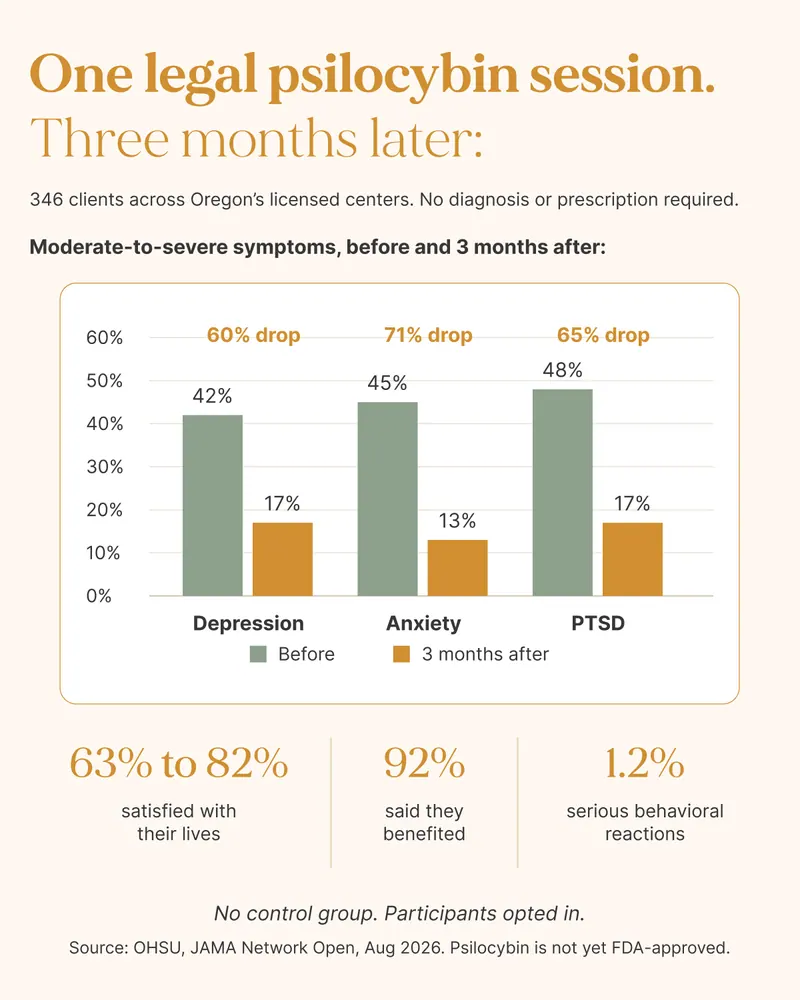
A new OHSU-led study of 346 people at Oregon's licensed psilocybin centers found substantial drops in depression, anxiety, and PTSD three months after…
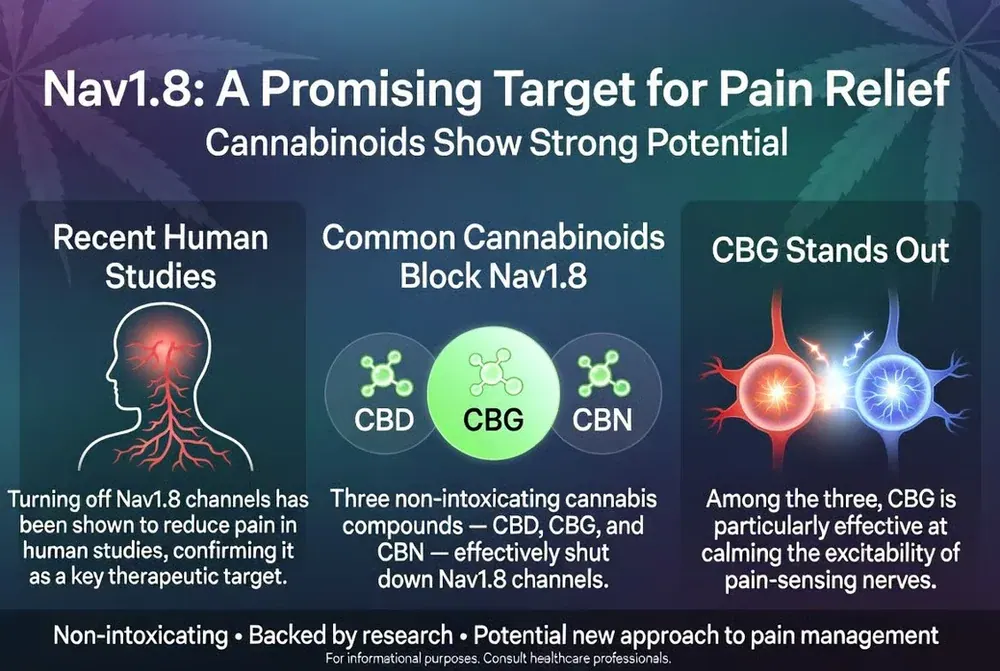
A 2025 Yale study in PNAS found CBD, CBG and CBN inhibit Nav1.8, a pain-signaling sodium channel. Here's what it shows and what it doesn't.

A new Aging Cell paper shows LSD pushes brain gene activity in the opposite direction of aging. In rodents, that effect ran stronger than exercise.