
What an OHSU study found three months after one Oregon psilocybin session
A new OHSU-led study of 346 people at Oregon's licensed psilocybin centers found substantial drops in depression, anxiety, and PTSD three months after…
GEM Blog
Chronic pain, depression, and anxiety affect millions of people worldwide, often resisting traditional treatments and diminishing quality of life. Recent research and clinical practice have brought ketamine into the spotlight as a promising option for managing these challenging conditions. This article explores how ketamine works, its benefits, and what patients and healthcare providers should consider when using it for chronic pain, depression, and anxiety.
Ketamine was originally developed as an anesthetic, but its effects on the brain go beyond sedation. It acts primarily on the NMDA receptors, which are involved in pain transmission and mood regulation. By blocking these receptors, ketamine can interrupt the pathways that cause chronic pain and depressive symptoms.
Unlike traditional antidepressants that may take weeks to show effects, ketamine often works rapidly, sometimes within hours. This rapid action is especially valuable for patients with treatment-resistant depression or severe anxiety who need quick relief.
Chronic pain conditions such as fibromyalgia, neuropathy, and complex regional pain syndrome can be debilitating. Many patients find limited relief from opioids or other pain medications, which also carry risks of addiction and side effects.
Ketamine offers a different approach by targeting the nervous system’s pain pathways directly. Studies have shown that ketamine infusions can reduce pain intensity and improve function in patients with chronic pain. The effects may last weeks or months after treatment, providing a valuable window of relief.
Depression affects mood, energy, and motivation, often making daily life difficult. For many, standard antidepressants do not provide sufficient relief or take too long to work.
Ketamine’s rapid antidepressant effects have been a breakthrough for people with treatment-resistant depression. It can lift mood quickly, reduce suicidal thoughts, and improve emotional regulation.
Anxiety disorders can cause persistent worry, panic attacks, and physical symptoms like rapid heartbeat. Traditional medications such as benzodiazepines or SSRIs may not work for everyone and can have side effects.
Ketamine has shown promise in reducing anxiety symptoms by modulating brain circuits involved in fear and stress responses. Patients often report feeling calmer and more able to cope after treatment.
Ketamine is generally safe when administered under medical supervision. Common side effects include dizziness, nausea, and mild dissociation during treatment sessions. These effects usually resolve quickly.
Because ketamine can affect blood pressure and heart rate, patients with certain cardiovascular conditions should be evaluated carefully before treatment.
Researchers continue to study ketamine’s long-term effects and how to optimize dosing and delivery methods. New forms such as nasal sprays and oral tablets are becoming available, expanding access.
Ongoing trials are exploring ketamine’s potential for other mental health conditions and chronic illnesses, aiming to better understand who benefits most and how to minimize risks.
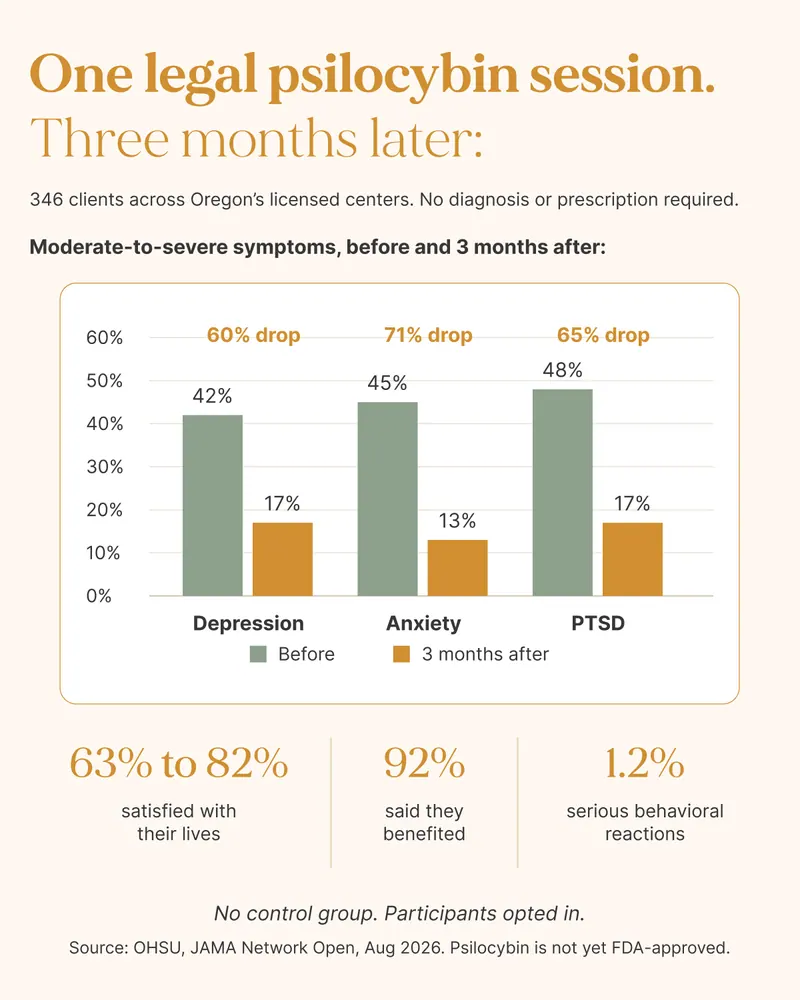
A new OHSU-led study of 346 people at Oregon's licensed psilocybin centers found substantial drops in depression, anxiety, and PTSD three months after…
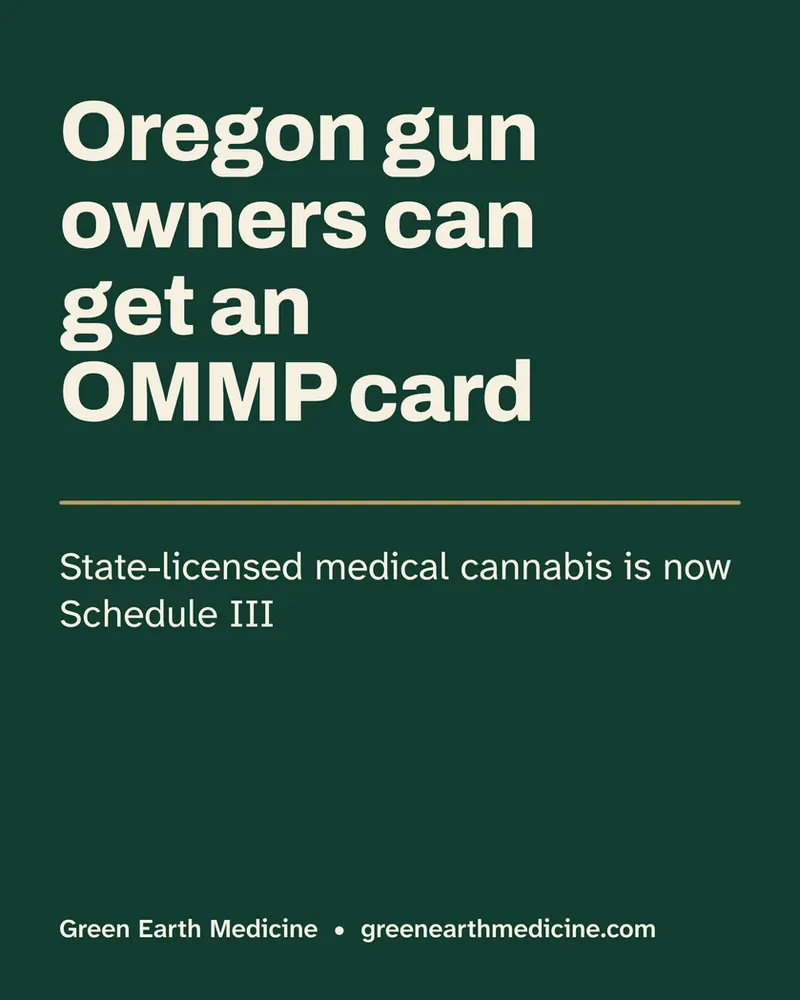
On April 28, 2026, the Justice Department placed state-licensed medical cannabis in Schedule III. Oregon gun owners can get an OMMP card and use that …
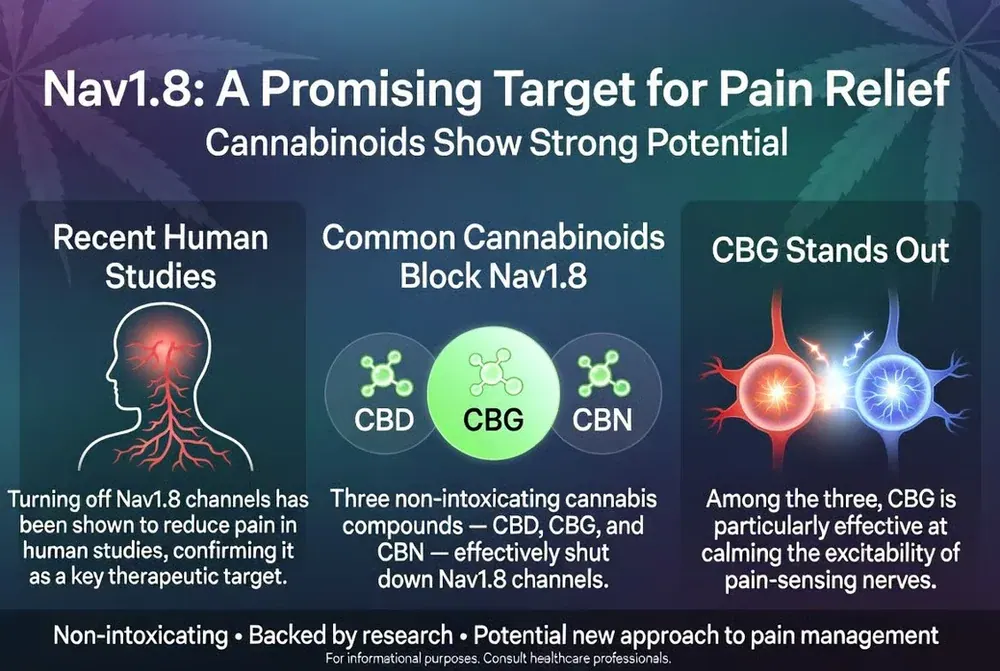
A 2025 Yale study in PNAS found CBD, CBG and CBN inhibit Nav1.8, a pain-signaling sodium channel. Here's what it shows and what it doesn't.