
What an OHSU study found three months after one Oregon psilocybin session
A new OHSU-led study of 346 people at Oregon's licensed psilocybin centers found substantial drops in depression, anxiety, and PTSD three months after…
GEM Blog

Some people reach a point where standard treatment has not been enough. The nightmares still come. The hypervigilance still runs the day. The cravings return after detox, rehab, meetings, medication, or long stretches of white-knuckling it. For people living with severe trauma symptoms and substance use, that place can feel terrifyingly narrow.
That is why interest in ibogaine has grown, especially among veterans, first responders, firefighters, and law enforcement professionals who may carry years of operational stress, injury, grief, and moral conflict. Many are not looking for a quick fix. They are looking for a path that feels serious enough for the severity of what they are facing.
Our clinic does not treat this subject lightly. We provide support, education, and referrals to treatment facilities and recovery resources for people exploring this option. That means helping patients ask better questions, understand safety concerns, prepare for conversations with qualified professionals, and connect with appropriate next steps.
This article is informational only and is not medical advice. Decisions about trauma treatment, addiction care, detox, psychiatric medication, or psychedelic-assisted care should be made with licensed medical and mental health professionals.
Severe trauma and addiction often feed each other. A person may use opioids, alcohol, stimulants, or other substances to sleep, calm the body, block memories, numb shame, or get through another shift. Over time, the substance can become its own source of danger, withdrawal, isolation, and despair.
Many patients who ask about this therapy have already tried several forms of care, such as:
Some found partial relief. Some relapsed. Some felt better for a while, then hit another wall after a triggering event, injury, divorce, loss of a colleague, or retirement from service.
People often come to this conversation with two needs at once. They want relief from substance dependence, and they want help with the trauma symptoms underneath it. That combination calls for careful planning, not hype.
Ibogaine is a psychoactive compound derived from the iboga plant, which has a long history of ceremonial use in parts of Central Africa. In modern settings, it has drawn attention because some research and clinical reports suggest it may affect withdrawal, craving, mood, and trauma-related patterns.
It is not approved by the U.S. Food and Drug Administration as a treatment for addiction or trauma. In the United States, it is classified as a controlled substance. For that reason, many people who pursue legal treatment do so through facilities outside the U.S. or through other lawful medical pathways, depending on current regulations.
It is also not a stand-alone cure.
A responsible treatment plan looks beyond the session itself. It includes medical screening, preparation, monitoring during care, integration after treatment, relapse prevention, trauma support, and a plan for emergencies. These parts matter as much as the medicine-centered experience.
A powerful experience without medical safety and follow-up care is not a treatment plan.
That point is especially relevant for people with opioid dependence, alcohol dependence, head injuries, heart concerns, sleep disruption, chronic pain, or psychiatric medication histories. These details can affect safety and outcomes.
The body does not separate trauma neatly from addiction. A sound, a smell, a dark road, a crowded room, or a call tone can pull the nervous system back into threat mode. For some people, that means panic. For others, it means anger, shutdown, insomnia, or a strong urge to use.
For people with ptsd and substance use, treatment has to account for both patterns. If care focuses only on stopping the substance, the untreated trauma may keep pulling the person back toward relief-seeking. If care focuses only on trauma, withdrawal and cravings may make therapy unstable or unsafe.
Severe cases often include complicating factors:
This is one reason referrals matter. A treatment facility should understand medical risk, psychiatric risk, and the realities of addiction recovery. A supportive clinic can help patients sort through options without pressure, fear-based messaging, or unrealistic promises.
People often ask whether this therapy “works.” A better first question is whether it is medically appropriate.
This approach can carry serious risks, especially for the heart. Reports have linked it with cardiac complications, including rhythm disturbances. Risk can rise when someone has heart disease, electrolyte problems, certain medication interactions, recent substance use, or incomplete screening.
A responsible facility should take safety seriously before accepting someone for treatment. That may include:
People using opioids, alcohol, benzodiazepines, stimulants, antidepressants, or sleep medication should not try to guess their way through this. Stopping some substances suddenly can be dangerous. Combining substances can also create serious risks.
No one should attempt this treatment alone, at home, or without qualified medical supervision.
That statement may sound firm because it needs to be. A safe referral process does not start with excitement. It starts with risk review.
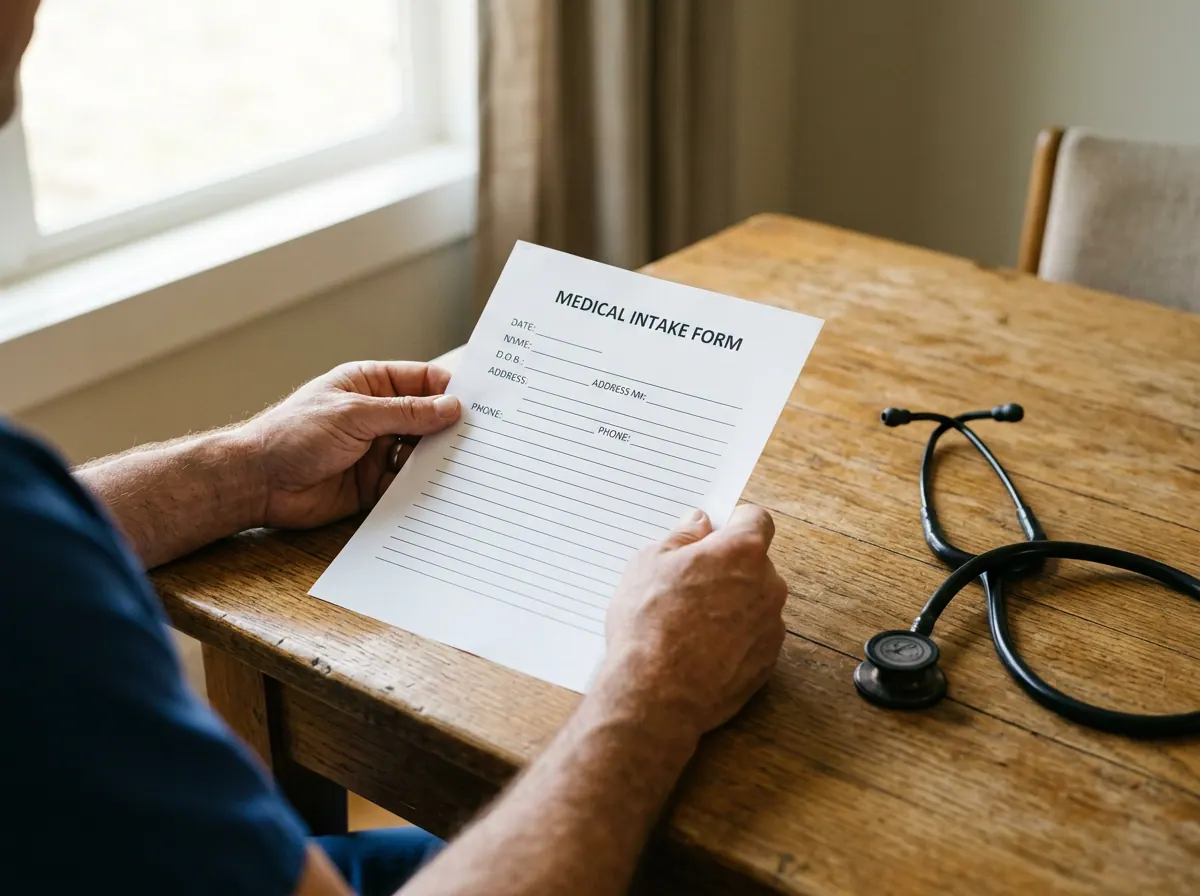
Our clinic helps people explore this option in a grounded, step-by-step way. We do not frame one treatment as the answer for everyone. We help patients understand what to ask, what to avoid, and how to build a broader recovery plan.
Support may include:
For patients in Oregon, this can be especially helpful because the legal and clinical landscape can be confusing. A person may hear about psychedelic services in the state and assume every treatment falls under the same rules. They do not. Different substances, settings, and licensing structures follow different laws.
Our role is to help patients slow down, gather accurate information, and avoid rushed decisions.
Before choosing a program, patients should ask direct questions. A reputable provider should welcome them.
| What to ask | Why it matters |
| Who performs the medical screening? | Screening should involve qualified medical professionals, not only intake staff. |
| What cardiac testing is required? | Heart rhythm risk is one of the central safety concerns. |
| How do you manage withdrawal before treatment? | Detox timing and substance history can affect safety. |
| What medications are not allowed? | Interactions can be dangerous and must be reviewed carefully. |
| What emergency care is available? | Facilities should have clear protocols for urgent medical problems. |
| What happens after the session? | Integration and relapse prevention are key parts of recovery. |
| Do you coordinate with outside providers? | Continuity matters for trauma therapy, psychiatry, and primary care. |
Patients should be cautious if a facility promises guaranteed results, dismisses medical concerns, avoids questions about emergency care, or pressures someone to book quickly.
Preparation is not just paperwork. It is the process of making sure the person, the body, and the support system are ready.
For someone with severe trauma and addiction, preparation may include stabilization before any referral moves forward. That can mean addressing acute withdrawal risk, improving sleep, reducing immediate self-harm risk, creating a crisis plan, or involving a trusted clinician.
Preparation can also include emotional work. Some people need help naming what they want from treatment. Others need support around fear, skepticism, guilt, or disappointment from past attempts. A person may also need to plan for time away from work, family communication, travel, finances, and aftercare.
A strong preparation plan may include:
This part may feel less dramatic than the treatment itself, but it can make the difference between a brief experience and a meaningful recovery step.
People often focus on the treatment event. Recovery usually depends on what happens next.
Aftercare helps turn insight into behavior. If a person returns to the same isolation, pain, insomnia, relationship strain, untreated trauma, and easy access to substances, the risk of relapse remains high. A good referral plan should include support after treatment, not just before it.
Aftercare may involve:
For military members, veterans, firefighters, law enforcement officers, and other high-stress professionals, aftercare should also respect culture and identity. Some people are trained to stay composed under pressure. Some have spent years not talking about what they saw or did. A provider who understands that context may create a safer path for honest work.
Integration does not mean constantly analyzing the experience. It means making practical changes. That might include calling a sponsor before cravings build, returning to therapy, repairing one relationship at a time, attending medical appointments, building sleep routines, or learning how to notice activation before it becomes a crisis.
Exploring a referral does not mean committing to treatment. It means gathering enough information to make a responsible decision.
This may be worth discussing with a qualified clinic or provider if someone is:
It may not be appropriate, or may need to wait, if someone has unstable medical issues, active psychosis, serious heart concerns, unsafe withdrawal risk, or current suicidal intent without immediate stabilization. These situations call for urgent clinical attention and careful planning.
If there is immediate danger, call 911 or go to the nearest emergency room. In the U.S., people in emotional crisis can call or text 988 for the Suicide & Crisis Lifeline.
When someone is desperate for relief, speed can feel like safety. In serious addiction and trauma care, careful planning is often the safer path.
Our clinic supports patients who are exploring this therapy by helping them understand the risks, ask better questions, review referral options, and connect with treatment facilities and recovery resources. We focus on informed decision-making, preparation, and continuity of care.
The goal is not to chase an experience. The goal is to build a recovery plan that can hold up after the treatment is over.
For people carrying severe trauma and addiction, hope matters. So does caution. The best next step is a grounded conversation with professionals who understand both.
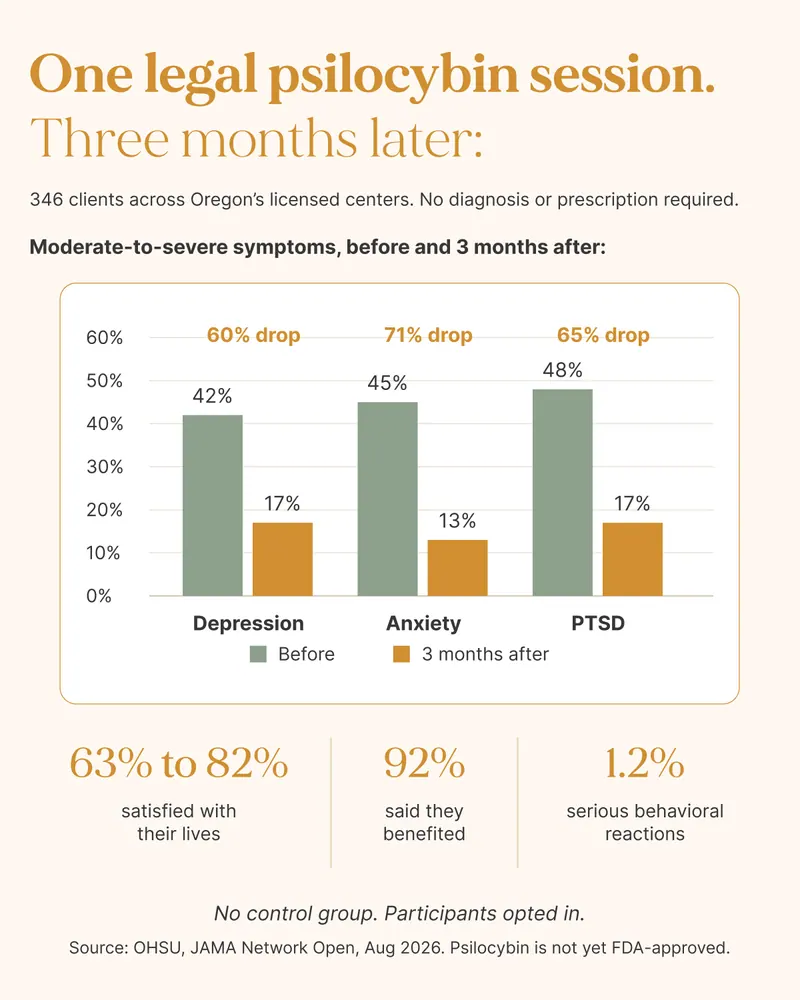
A new OHSU-led study of 346 people at Oregon's licensed psilocybin centers found substantial drops in depression, anxiety, and PTSD three months after…
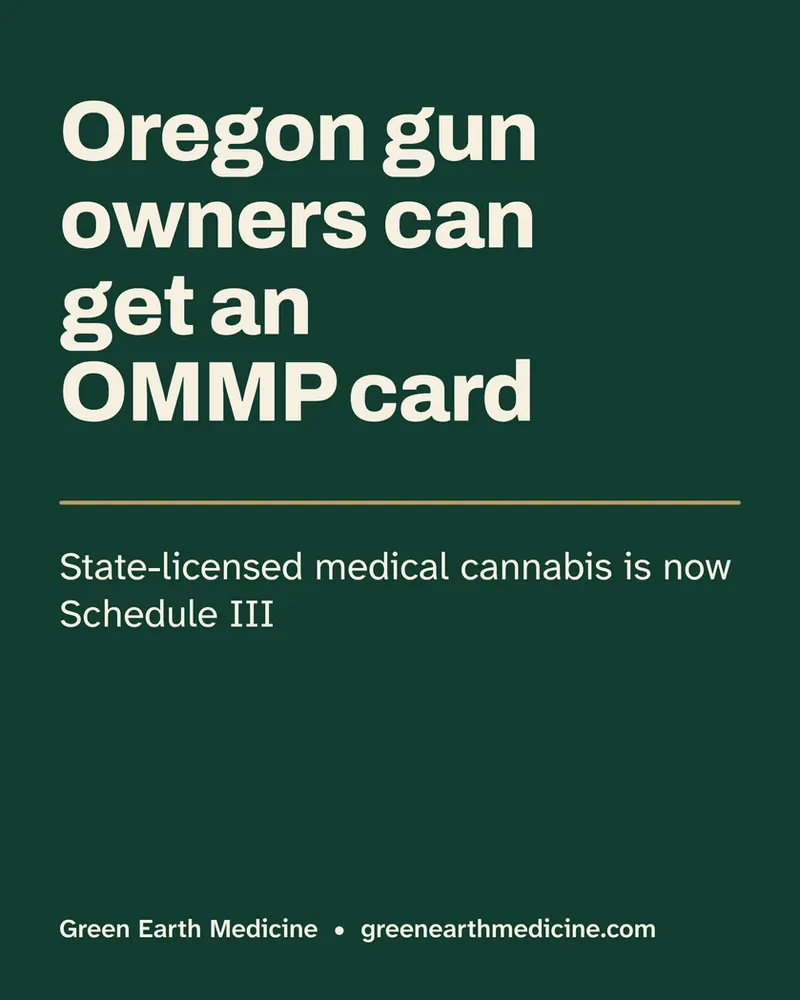
On April 28, 2026, the Justice Department placed state-licensed medical cannabis in Schedule III. Oregon gun owners can get an OMMP card and use that …
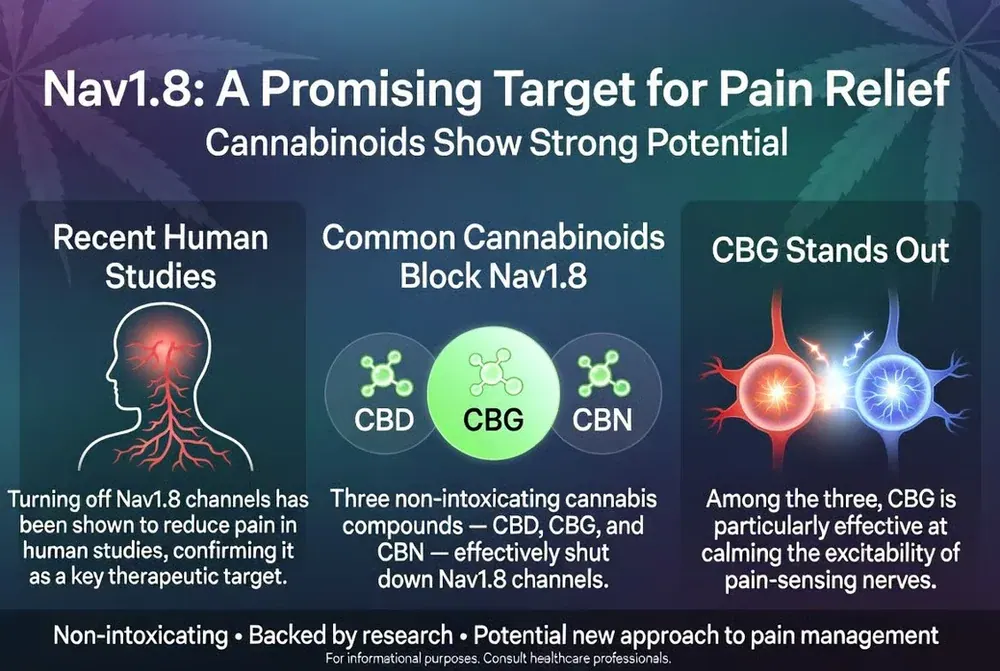
A 2025 Yale study in PNAS found CBD, CBG and CBN inhibit Nav1.8, a pain-signaling sodium channel. Here's what it shows and what it doesn't.