What an OHSU study found three months after one Oregon psilocybin session
A new OHSU-led study of 346 people at Oregon's licensed psilocybin centers found substantial drops in depression, anxiety, and PTSD three months after…
GEM Blog
Interest in psychedelic medicine has surged in recent years, and for good reason: early clinical research suggests that compounds like psilocybin (the active ingredient in "magic mushrooms") and LSD may help some people with conditions that haven’t responded well to conventional approaches. A recent UCSF feature takes readers inside this rapidly evolving field—highlighting both the promise and the careful science needed to understand how these medicines work, who they may help, and how to use them responsibly.
At Green Earth Medicine Clinics of Oregon, we share that balanced perspective. Psychedelic therapies are not a shortcut or a cure-all—but when approached ethically and clinically, they may become an important part of modern mental health care.
For decades, psychedelic compounds were largely pushed to the margins of medicine. Today, major academic centers are revisiting them with modern tools—brain imaging, rigorous clinical trials, and standardized protocols—to answer questions like:
This shift matters because it moves psychedelics out of hype and into healthcare—where benefits must be demonstrated, risks must be understood, and patient wellbeing must come first.
One of the most important themes in modern psychedelic research is that outcomes aren’t driven by chemistry alone. The therapeutic container matters.
In clinical settings, psychedelic therapy is typically discussed as a process that includes:
This is a key point for patients: the goal isn’t simply to "have an experience." The goal is to support durable improvements in wellbeing—safely.
Research is ongoing, but studies have explored psychedelic-assisted therapy for concerns such as:
At the same time, responsible care means being honest about uncertainty. We still need clearer answers on long-term outcomes, optimal dosing strategies, how to personalize treatment, and how to best support people who have challenging experiences.
A medical approach starts with screening. Psychedelic therapies may be inappropriate—or require extra caution—for people with certain medical conditions, medication interactions, or personal/family histories that increase risk.
This is one reason we emphasize evidence-based guidance and ethical practice. Psychedelic medicine should never be reduced to trends, self-experimentation, or one-size-fits-all protocols.
While psilocybin and LSD remain limited by evolving regulations, ketamine therapy is already used in clinical contexts and has a growing evidence base for certain mental health conditions. For many patients, ketamine can be a practical entry point into psychedelic-assisted care—especially when paired with preparation and integration support.
The UCSF article underscores something we strongly agree with: psychedelic medicine is most promising when it’s approached with humility, rigor, and patient-centered care.
At Green Earth Medicine, our mission is to help people navigate these options thoughtfully—whether you’re exploring ketamine therapy, learning about psilocybin services, or simply trying to understand what’s real (and what’s marketing) in the psychedelic space.
If you’re considering psychedelic therapy and want a clear, compassionate next step, we’re here to help.
Green Earth Medicine Clinics of Oregon
Call: (503) 272-8781
Or reach out through our website to schedule a consultation.
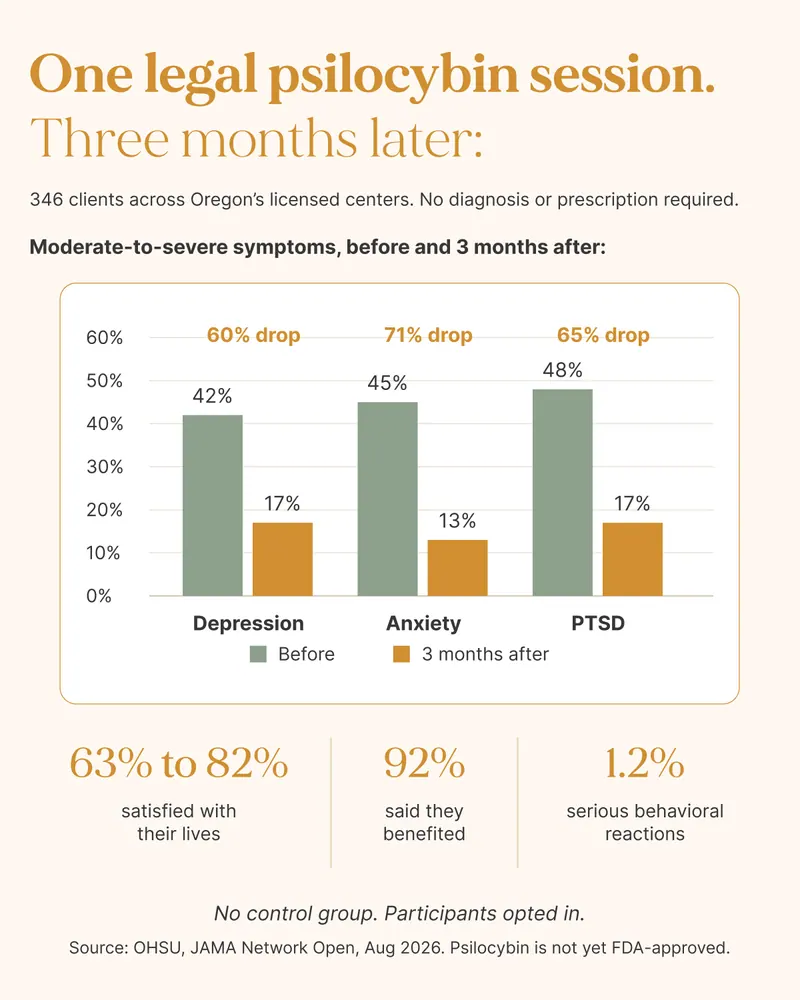
A new OHSU-led study of 346 people at Oregon's licensed psilocybin centers found substantial drops in depression, anxiety, and PTSD three months after…
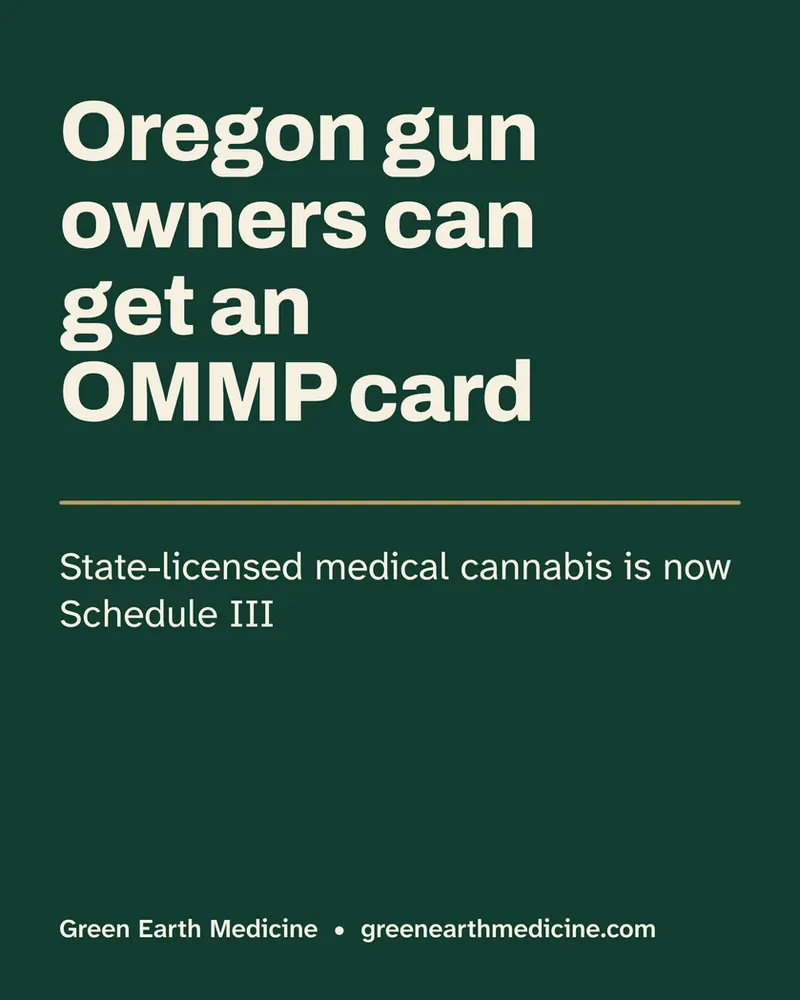
On April 28, 2026, the Justice Department placed state-licensed medical cannabis in Schedule III. Oregon gun owners can get an OMMP card and use that …
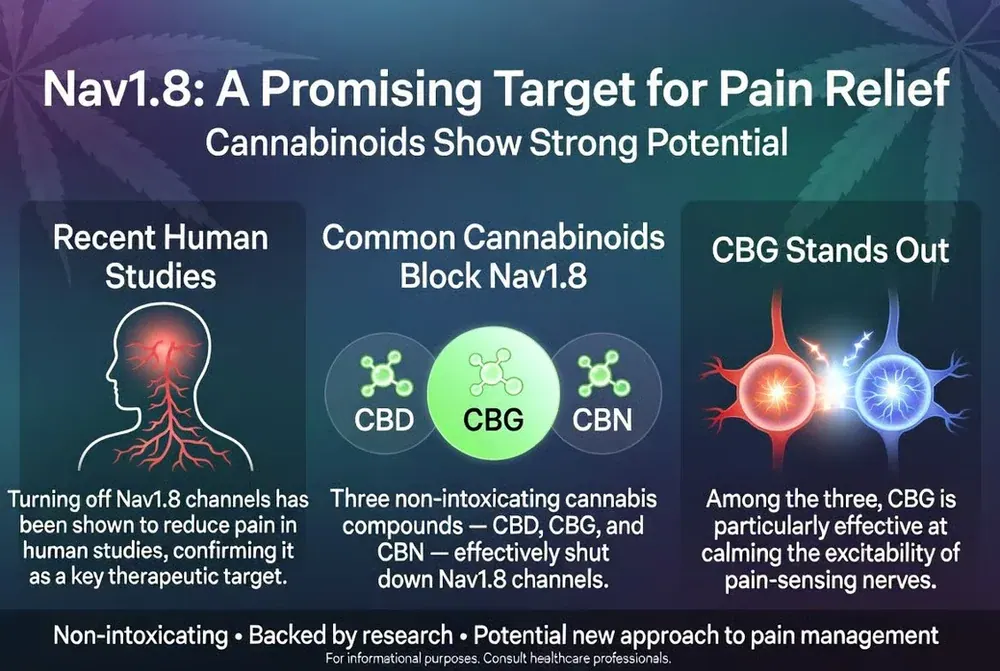
A 2025 Yale study in PNAS found CBD, CBG and CBN inhibit Nav1.8, a pain-signaling sodium channel. Here's what it shows and what it doesn't.