What an OHSU study found three months after one Oregon psilocybin session
A new OHSU-led study of 346 people at Oregon's licensed psilocybin centers found substantial drops in depression, anxiety, and PTSD three months after…
GEM Blog
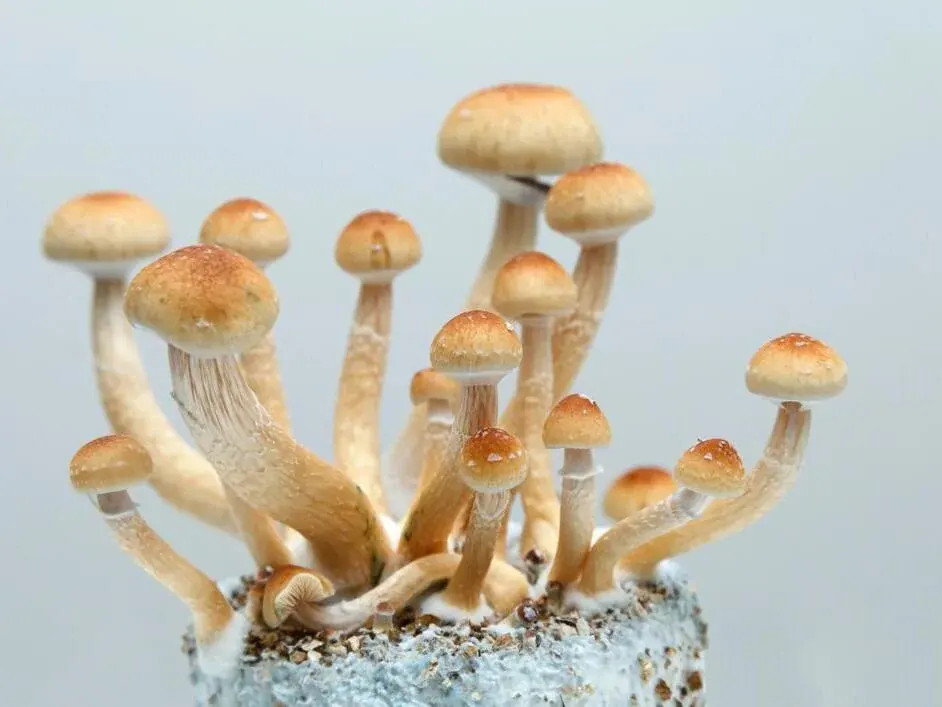
Mental health conditions such as anxiety, depression, and post-traumatic stress disorder (PTSD) affect millions worldwide. Traditional treatments often fall short for many individuals, leaving them searching for new options. Recently, psilocybin assisted therapy has emerged as a promising approach, showing potential to transform how these conditions are treated. This article explores the latest breakthroughs in psilocybin therapy, how it works, and what it means for people struggling with these mental health challenges.
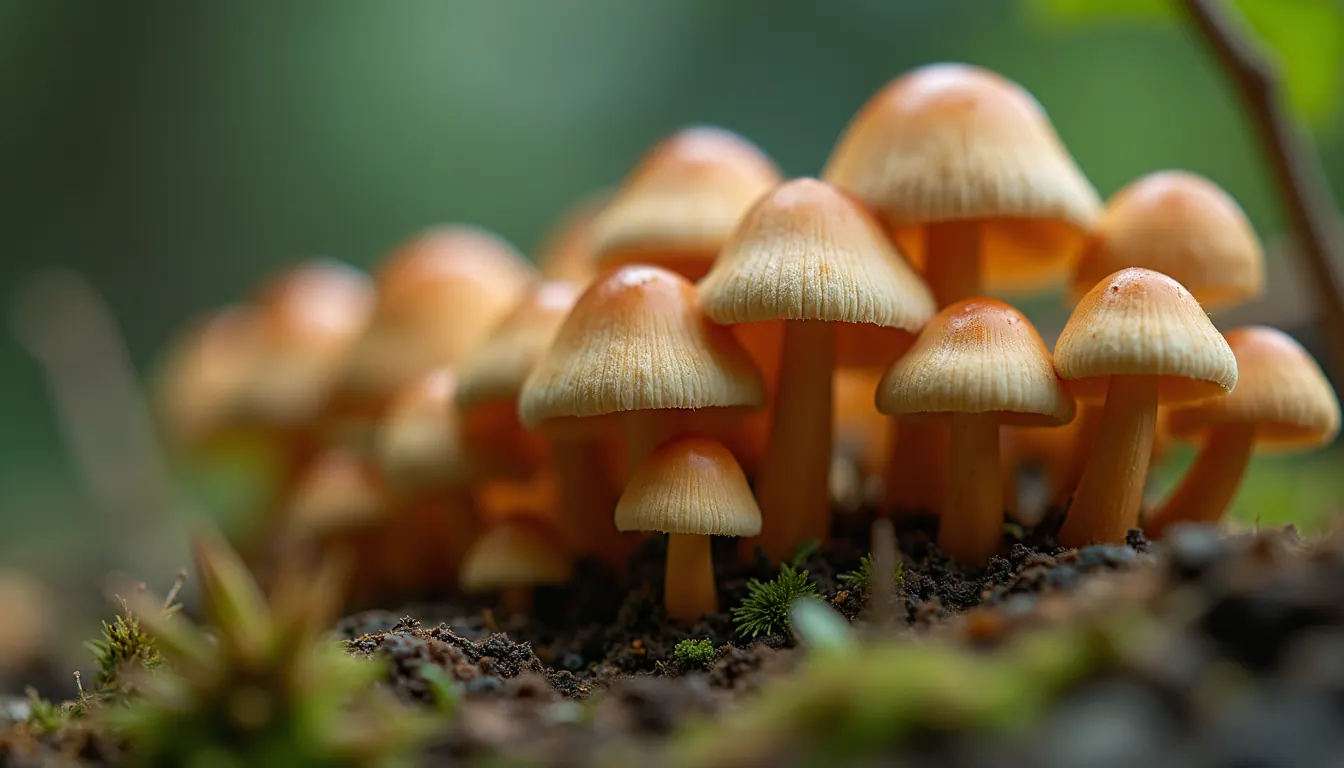
Psilocybin is a naturally occurring compound found in certain species of mushrooms, often called "magic mushrooms." When ingested, psilocybin converts into psilocin, which affects serotonin receptors in the brain. This interaction can alter perception, mood, and cognition.
Psilocybin assisted therapy combines the administration of psilocybin with guided psychological support. Unlike recreational use, this therapy is carefully controlled and supervised by trained professionals. The goal is to use the psychedelic experience to help patients process emotions, confront trauma, and gain new perspectives on their mental health.
GEM Now Provides Psilocybin Outpatient Micro-Dosing & Full-Dose Therapy Sessions! Check out our services:
CLICK: Explore GEM Psilocybin Therapies
Anxiety and depression often involve rigid negative thought patterns and emotional distress. Psilocybin therapy appears to help by temporarily disrupting these patterns, allowing the brain to "reset" and form new connections.
Research shows that psilocybin can:
For example, a 2020 study published in JAMA Psychiatry found that two doses of psilocybin, combined with psychotherapy, produced rapid and significant reductions in depressive symptoms in patients with major depressive disorder. Many participants reported improvements lasting for months after treatment.
PTSD results from traumatic experiences that cause persistent distress and fear. Traditional treatments like cognitive behavioral therapy and medication do not work for everyone. Psilocybin therapy offers a new way to approach trauma by helping patients revisit painful memories in a safe, controlled environment.
During therapy sessions, patients often describe feeling a sense of emotional release and clarity. The psychedelic experience can reduce fear responses and promote acceptance of traumatic events, which supports healing.
A pilot study conducted by Johns Hopkins University showed promising results, with many PTSD patients experiencing reduced symptoms after psilocybin sessions combined with therapy. These findings suggest psilocybin could become an important tool in trauma treatment.
Psilocybin assisted therapy typically involves several stages:
This structured approach maximizes the therapeutic benefits while minimizing risks.
Psilocybin remains a controlled substance in many countries, but research and clinical trials have led to changing regulations. Some places have decriminalized or allowed limited medical use under supervision.
Safety is a priority in therapy settings. Psilocybin is generally well-tolerated when administered responsibly, but it can cause anxiety or confusion during sessions. That is why professional guidance is essential.
People with a history of psychosis or certain medical conditions may not be suitable candidates. Always consult healthcare providers before considering this therapy.
These stories highlight the potential for psilocybin therapy to change lives when other treatments have failed.
Ongoing studies continue to explore psilocybin’s effects on various mental health conditions. Researchers are investigating optimal dosing, session frequency, and long-term outcomes.
There is also interest in combining psilocybin with other therapeutic approaches, such as cognitive behavioral therapy or mindfulness training, to enhance benefits.
As evidence grows, more clinics and medical centers may offer psilocybin assisted therapy, expanding access to those in need.
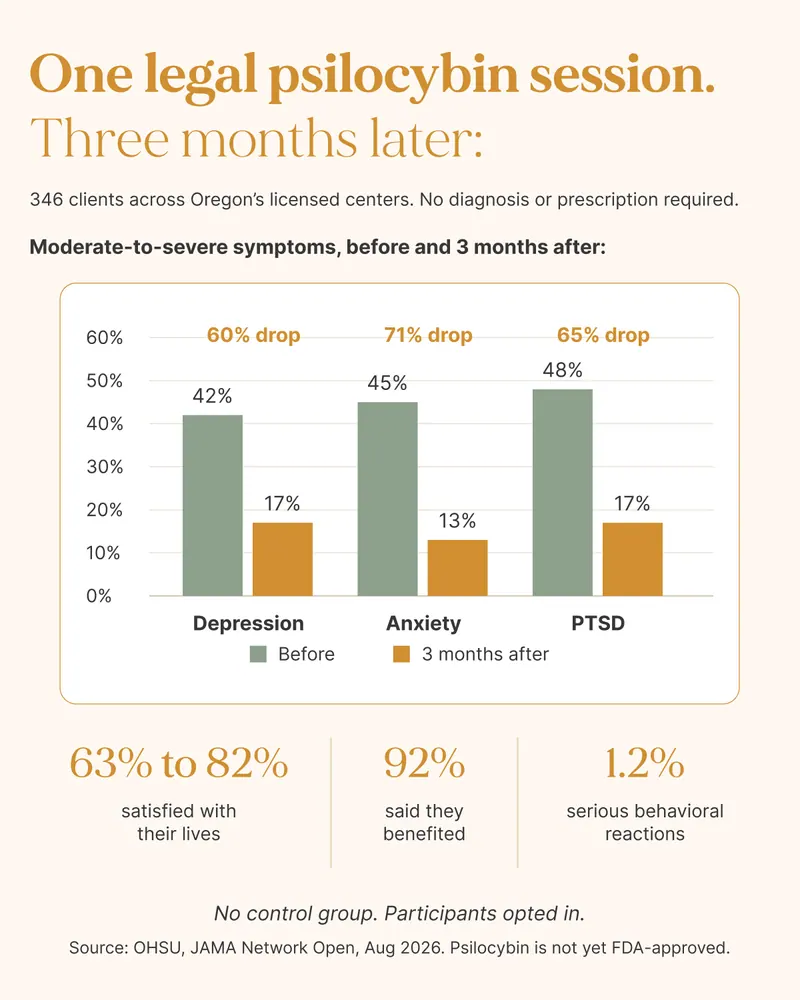
A new OHSU-led study of 346 people at Oregon's licensed psilocybin centers found substantial drops in depression, anxiety, and PTSD three months after…
On April 28, 2026, the Justice Department placed state-licensed medical cannabis in Schedule III. Oregon gun owners can get an OMMP card and use that …
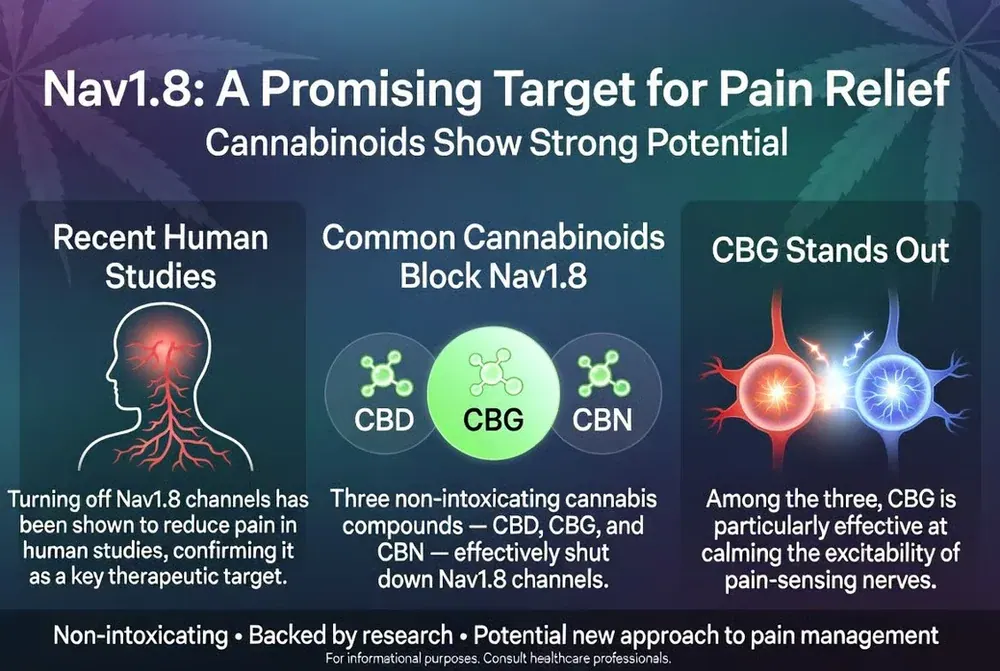
A 2025 Yale study in PNAS found CBD, CBG and CBN inhibit Nav1.8, a pain-signaling sodium channel. Here's what it shows and what it doesn't.