What an OHSU study found three months after one Oregon psilocybin session
A new OHSU-led study of 346 people at Oregon's licensed psilocybin centers found substantial drops in depression, anxiety, and PTSD three months after…
GEM Blog
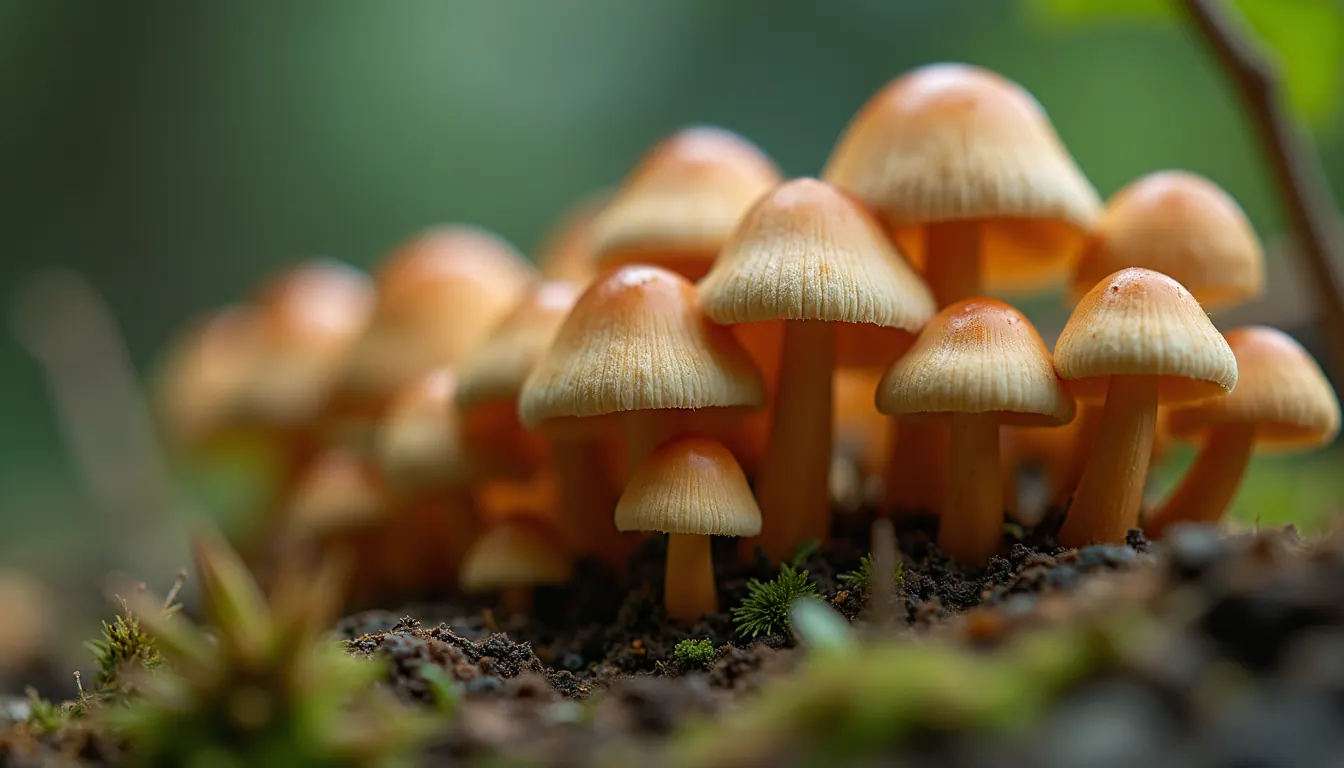
Psilocybin mushrooms have gained attention for their potential therapeutic benefits and unique psychedelic experiences. However, the safety of consuming these mushrooms depends heavily on how they are cultivated. Unknown or unregulated cultivation practices can introduce serious risks that many users may not be aware of. This post explores the dangers linked to mushrooms grown under uncertain conditions and offers practical advice to help you stay safe.
Psilocybin mushrooms are fungi that absorb nutrients and chemicals from their growing medium. If the substrate or environment contains harmful substances, these can accumulate in the mushrooms. Unknown cultivation practices may involve:
Each of these factors can affect the safety and potency of the mushrooms. For example, mushrooms grown on substrates with heavy metals or chemical residues can cause poisoning. Similarly, molds growing alongside mushrooms can produce dangerous mycotoxins.
Mushrooms can absorb chemicals from their environment. If growers use substrates treated with pesticides or fertilizers not intended for edible fungi, these chemicals may concentrate in the mushrooms. Consuming such mushrooms can lead to acute poisoning or long-term health issues.
Improper sterilization or unhygienic growing conditions allow bacteria and molds to thrive. Some molds produce mycotoxins that cause severe allergic reactions or organ damage. Bacterial contamination can also cause foodborne illnesses.
Some growers may unintentionally or deliberately mix psilocybin mushrooms with toxic look-alikes. Without proper knowledge, users risk consuming poisonous species that cause nausea, hallucinations, or worse.
Unknown cultivation often leads to inconsistent psilocybin levels. This unpredictability increases the risk of overdosing or having a weak, ineffective experience. It also complicates harm reduction efforts.
Look for cultivators who share detailed information about their growing methods. Transparent growers often use clean substrates, maintain sterile environments, and test their products for contaminants.
Some regions allow lab testing of psilocybin mushrooms for purity and potency. Certified products reduce the risk of contamination and misidentification.
Healthy psilocybin mushrooms typically have:
Avoid mushrooms with fuzzy growths, unusual colors, or strong chemical odors.
Wild mushrooms carry a high risk of misidentification and contamination. Only experts should collect and consume wild psilocybin mushrooms.
Psilocybin mushrooms remain illegal in many places. Using mushrooms from unknown sources can expose you to legal risks and unregulated products. Always research local laws and consider the health implications carefully.
Unknown cultivation practices introduce multiple risks when using psilocybin mushrooms. Chemical contamination, microbial growth, misidentification, and inconsistent potency all threaten user safety. To reduce these risks, seek mushrooms from trusted, transparent sources, inspect them carefully, and follow harm reduction guidelines. Being cautious about where and how mushrooms are grown helps protect your health and supports a safer psychedelic experience.
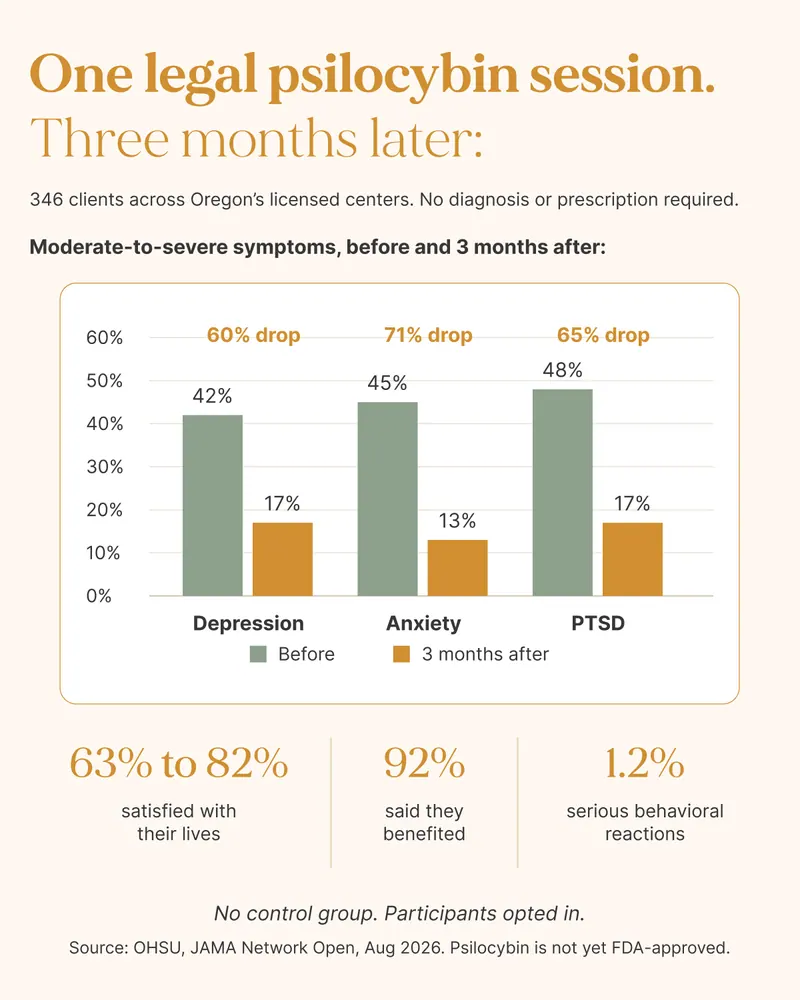
A new OHSU-led study of 346 people at Oregon's licensed psilocybin centers found substantial drops in depression, anxiety, and PTSD three months after…
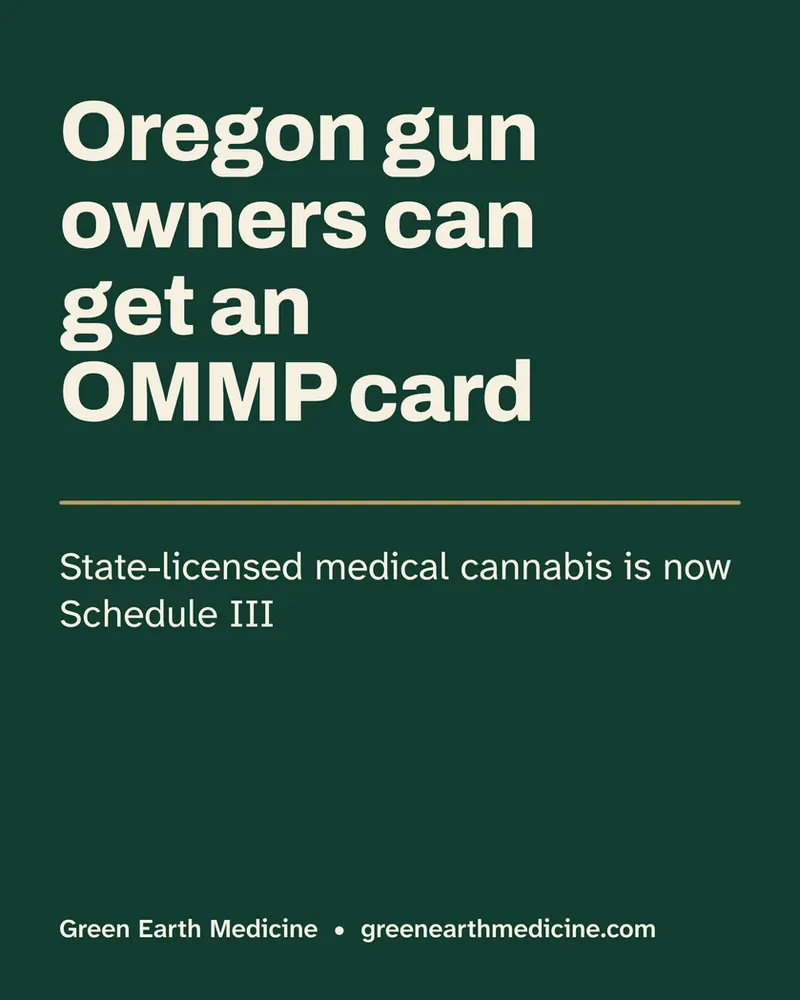
On April 28, 2026, the Justice Department placed state-licensed medical cannabis in Schedule III. Oregon gun owners can get an OMMP card and use that …

A 2025 Yale study in PNAS found CBD, CBG and CBN inhibit Nav1.8, a pain-signaling sodium channel. Here's what it shows and what it doesn't.