
What an OHSU study found three months after one Oregon psilocybin session
A new OHSU-led study of 346 people at Oregon's licensed psilocybin centers found substantial drops in depression, anxiety, and PTSD three months after…
GEM Blog

Psychedelic therapy involves using substances like psilocybin (found in magic mushrooms), MDMA, or LSD in controlled, therapeutic settings to treat mental health conditions. Unlike recreational use, this therapy combines the drug with psychological support before, during, and after the session. Research shows promising results for conditions such as:
The therapy aims to help patients access deep emotional insights, reduce fear responses, and promote lasting positive changes in mood and behavior.
For decades, psychedelics were classified as Schedule I substances in many countries, meaning they were considered to have no medical use and a high potential for abuse. This classification blocked research and clinical use. Recently, several governments have started to reconsider these policies:
These changes reflect growing acceptance of psychedelics as legitimate medical tools rather than just recreational drugs.
Presidential administrations and government leaders play a crucial role in shaping drug policy. When leaders prioritize mental health innovation, they can:
For example, the current U.S. administration has shown openness to exploring new mental health treatments, including psychedelics, which contrasts with previous decades of strict prohibition. This shift encourages pharmaceutical companies and research institutions to invest more in developing psychedelic therapies.
Psychedelic therapy offers several potential benefits:
Despite its potential, psychedelic therapy also faces challenges:
Several clinical trials and treatment centers demonstrate how psychedelic therapy works:
These examples highlight the therapy’s potential and the importance of careful, evidence-based implementation.
If you are considering psychedelic therapy or are a mental health professional, keep these points in mind:
As governments continue to revise policies, psychedelic therapy is likely to become more accessible and integrated into mainstream mental health care. We can expect:
This evolving landscape offers hope for many people struggling with mental health conditions that have been difficult to treat.
In conclusion, as we navigate this new frontier of mental health treatment, it is essential to remain informed and open-minded. The potential of psychedelic therapy could provide new avenues for healing and well-being. If you're interested in exploring these options, consider reaching out to professionals who specialize in this area. Together, we can foster a more compassionate and understanding approach to mental health.
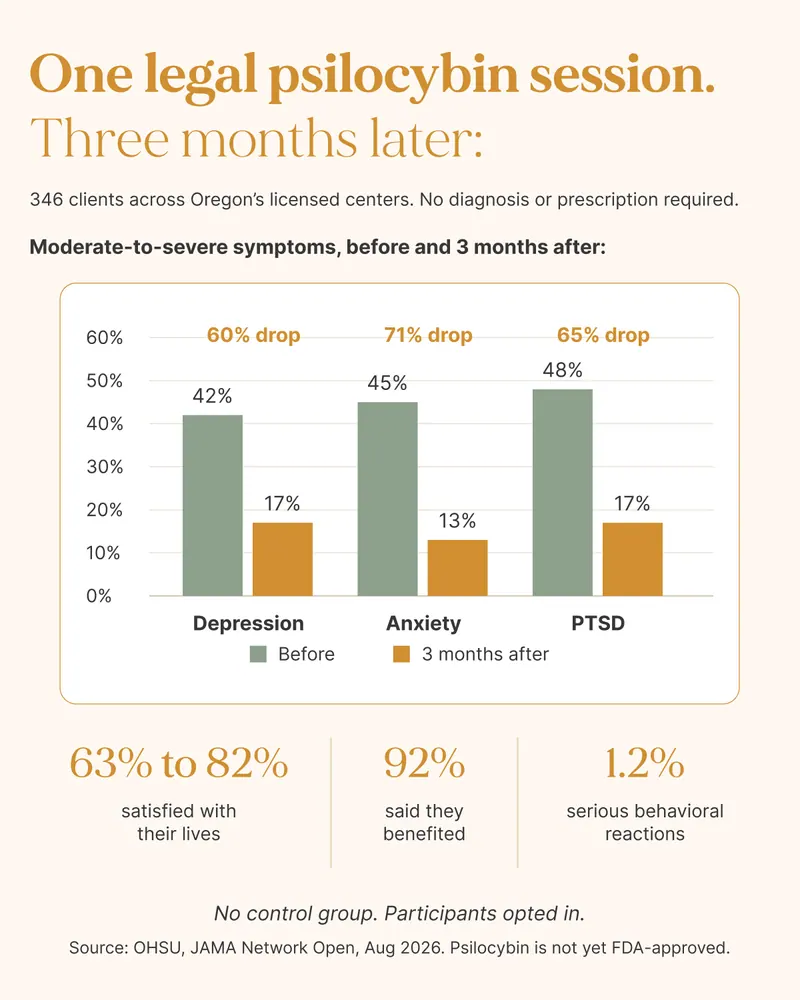
A new OHSU-led study of 346 people at Oregon's licensed psilocybin centers found substantial drops in depression, anxiety, and PTSD three months after…
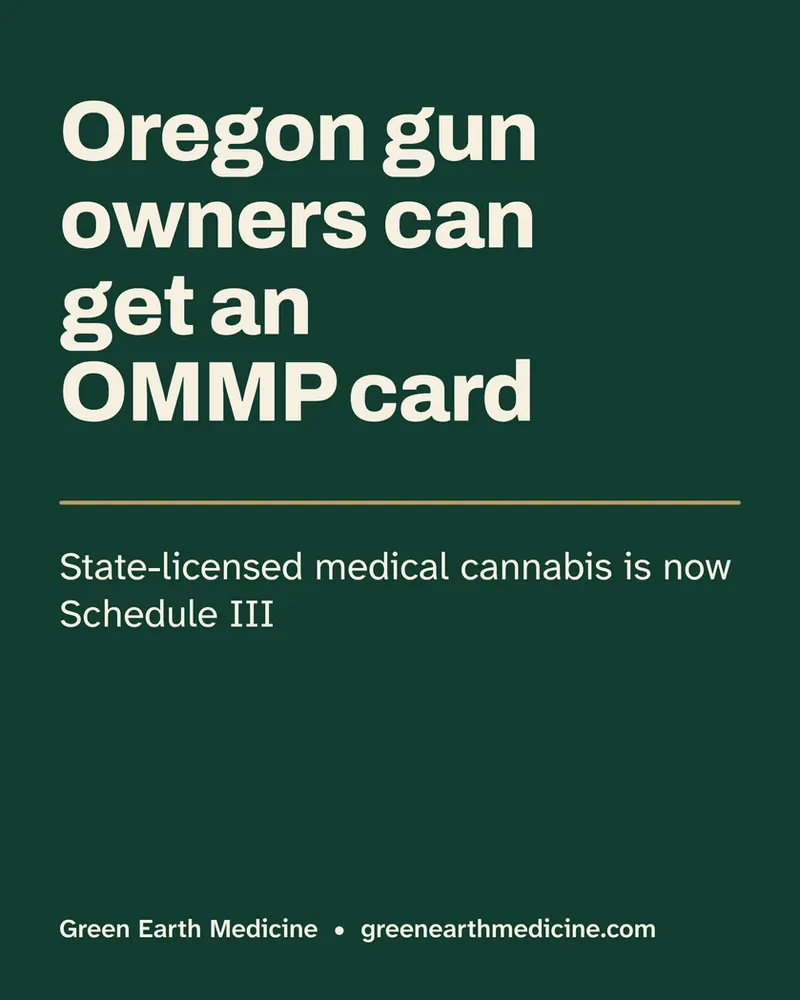
On April 28, 2026, the Justice Department placed state-licensed medical cannabis in Schedule III. Oregon gun owners can get an OMMP card and use that …
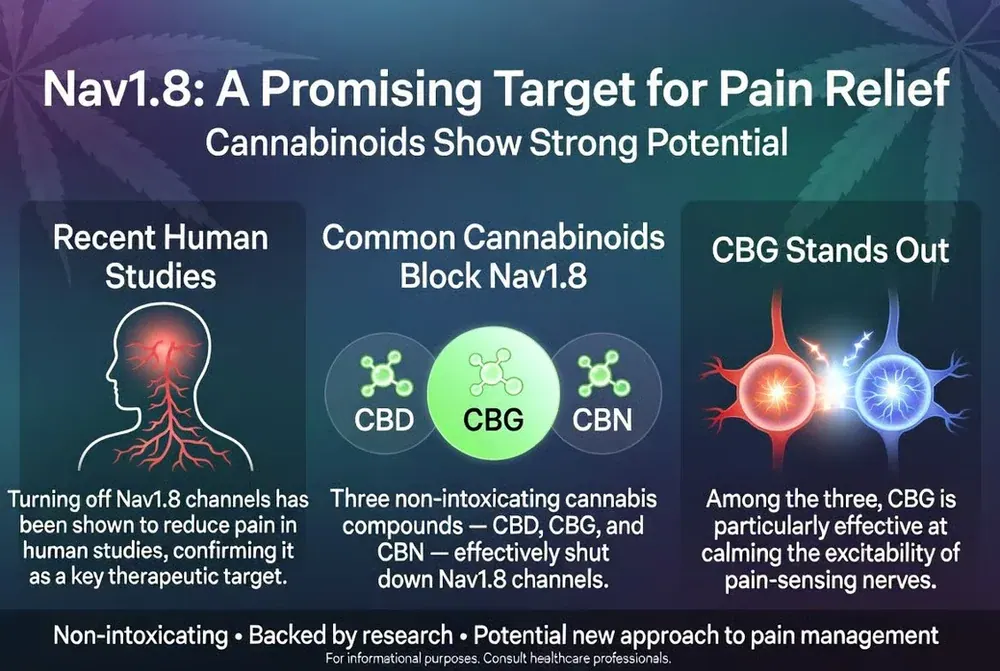
A 2025 Yale study in PNAS found CBD, CBG and CBN inhibit Nav1.8, a pain-signaling sodium channel. Here's what it shows and what it doesn't.