
What an OHSU study found three months after one Oregon psilocybin session
A new OHSU-led study of 346 people at Oregon's licensed psilocybin centers found substantial drops in depression, anxiety, and PTSD three months after…
GEM Blog

Psychedelic substances like psilocybin, MDMA, and ketamine have historically been classified as Schedule I drugs under the Controlled Substances Act. This classification indicates a high potential for abuse and no accepted medical use, which severely restricted research and clinical use.
Recently, the US Food and Drug Administration (FDA) has taken steps to reclassify some psychedelics for medical use under strict conditions:
These regulatory changes reflect a shift in how the government views psychedelics, moving from strict prohibition toward cautious acceptance based on scientific evidence.
While federal regulations set the baseline, several states have enacted laws that further expand access to psychedelic therapies:
These state initiatives often include training requirements for therapists, safety protocols, and oversight mechanisms to ensure responsible use.
The evolving regulatory environment has several practical effects:
For example, Johns Hopkins University opened a dedicated Center for Psychedelic and Consciousness Research, supported by FDA approvals and funding, to study psilocybin’s effects on depression and addiction.

Despite progress, several challenges remain:
Stakeholders must navigate these issues carefully to build a sustainable and ethical framework for psychedelic therapy.
The regulatory landscape for psychedelic therapies will likely continue to evolve rapidly:
For researchers and clinicians, staying informed about regulatory updates is essential to ensure compliance and maximize opportunities.
As we look ahead, the future of psychedelic therapies appears promising. The ongoing research and regulatory changes are paving the way for more effective treatments for mental health conditions.
I believe that with the right support and understanding, we can harness the power of psychedelics to help those in need. It’s an exciting time for the field, and I’m eager to see how these developments unfold.
In conclusion, the evolving landscape of psychedelic therapies offers hope for many seeking alternative medical and mental health therapies. The integration of these treatments into mainstream healthcare could lead to significant advancements in mental health care.
If you're interested in learning more about how these therapies can provide relief, I encourage you to explore the available resources and stay informed about the latest developments.
---wix---
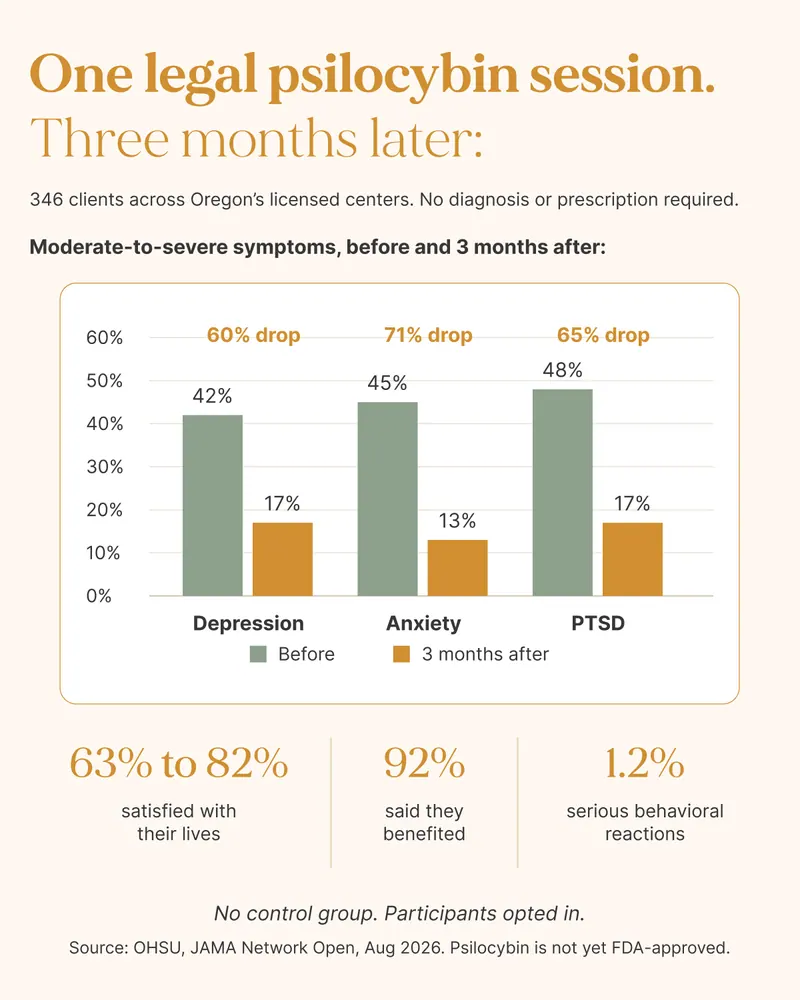
A new OHSU-led study of 346 people at Oregon's licensed psilocybin centers found substantial drops in depression, anxiety, and PTSD three months after…
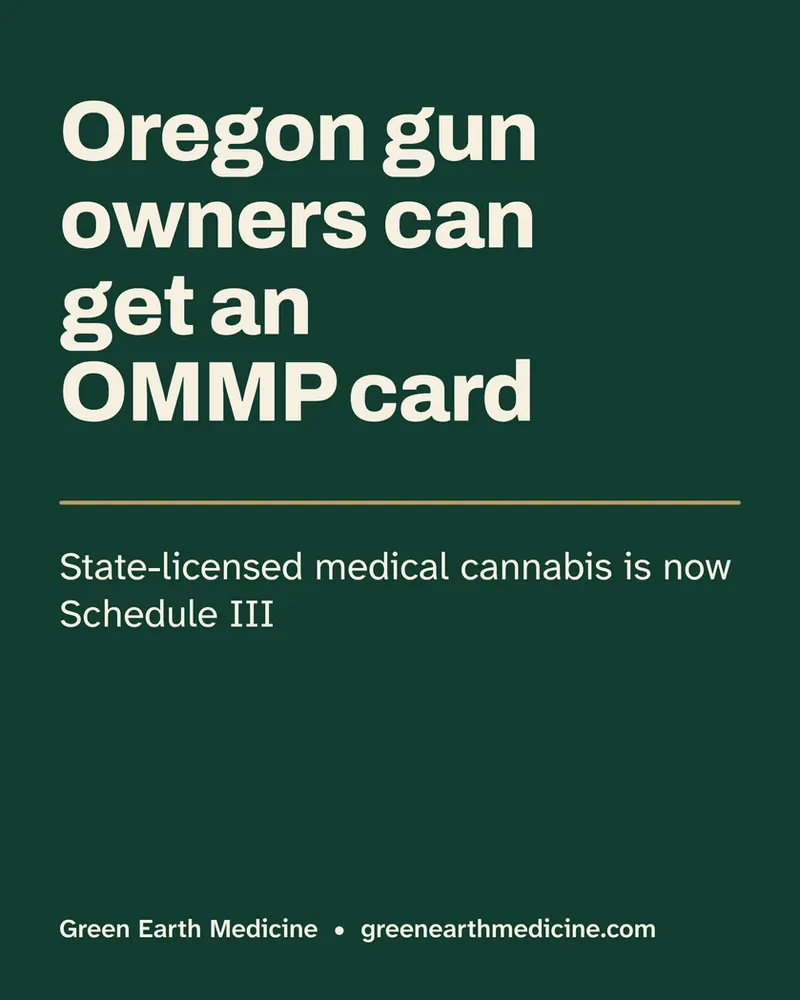
On April 28, 2026, the Justice Department placed state-licensed medical cannabis in Schedule III. Oregon gun owners can get an OMMP card and use that …
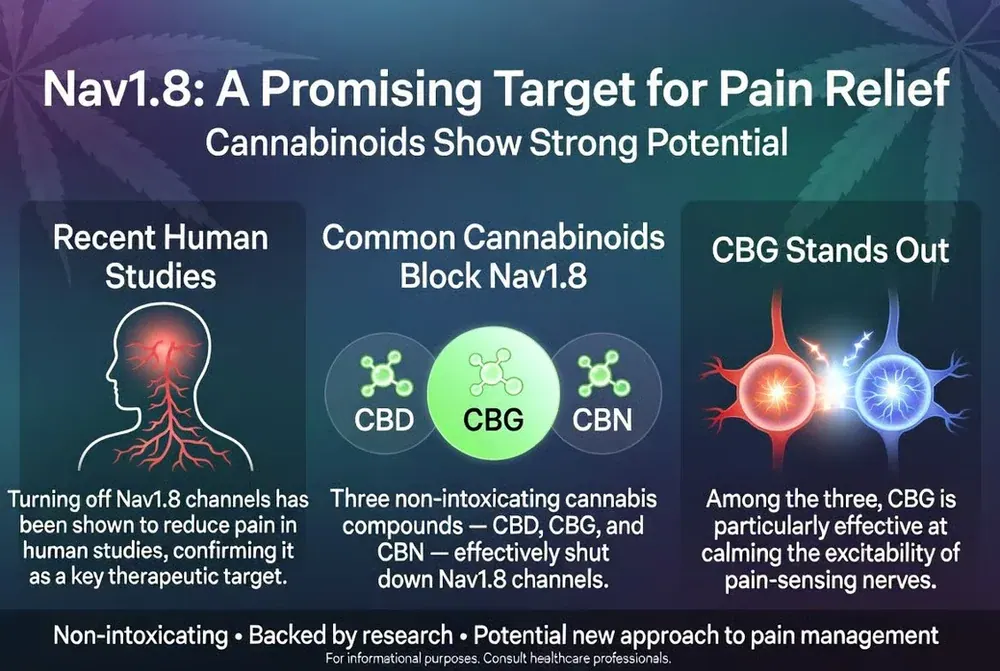
A 2025 Yale study in PNAS found CBD, CBG and CBN inhibit Nav1.8, a pain-signaling sodium channel. Here's what it shows and what it doesn't.