
What an OHSU study found three months after one Oregon psilocybin session
A new OHSU-led study of 346 people at Oregon's licensed psilocybin centers found substantial drops in depression, anxiety, and PTSD three months after…
GEM Blog

When it comes to mental health, finding effective treatments can sometimes feel like navigating a maze. Traditional therapies and medications work well for many, but others continue to struggle. That’s where innovative approaches like MDMA therapy come into play. This form of treatment is gaining attention for its potential to help people heal from trauma and other mental health challenges. Today, I want to walk you through what MDMA therapy is, its benefits, how it’s administered, and what you might expect if you consider this option.
MDMA therapy involves the controlled use of MDMA, a substance known for its empathogenic effects, combined with psychotherapy. Unlike recreational use, this therapy is carefully supervised by trained professionals in a clinical setting. The goal is to create a safe space where patients can explore difficult emotions and memories with reduced fear and increased openness.
MDMA, sometimes called "ecstasy" in other contexts, helps by enhancing feelings of trust and emotional connection. This can be especially helpful for people dealing with post-traumatic stress disorder (PTSD), anxiety, or depression. The therapy sessions typically include preparation, the MDMA-assisted session itself, and integration sessions afterward to help process the experience.
One of the biggest reasons MDMA therapy is exciting is because of its unique benefits. Here’s what sets it apart:
For example, someone struggling with PTSD might find it difficult to talk about their trauma in regular therapy. Under the influence of MDMA, they may feel safe enough to open up, allowing the therapist to guide them through healing in a way that wasn’t possible before.
MDMA therapy is not a daily or weekly treatment like some other therapies. Instead, it is typically given in a series of sessions spaced out over weeks or months. Here’s a general outline of how often it might be administered:
The spacing between MDMA sessions allows the patient to integrate what they’ve learned and experience emotional shifts gradually. This pacing is important for safety and effectiveness.

If you decide to try MDMA therapy, knowing what to expect can help ease any concerns. Here’s a step-by-step look at a typical session:
The goal is to create a space where healing can happen naturally, with the MDMA helping to soften emotional barriers.
Deciding whether MDMA therapy is a good fit depends on your unique situation. It’s important to consult with a qualified provider who can assess your health history and mental health needs. Here are some factors to consider:
If you’re curious, reaching out to a trusted provider like Green Earth Medicine can be a great first step. They offer personalized guidance and can help you understand the process in detail.
Exploring new therapies can feel overwhelming, but it’s also empowering. MDMA therapy offers a promising path for those seeking relief from persistent mental health challenges. By combining the power of MDMA with skilled psychotherapy, many people find a new way to heal and grow.
If you want to learn more about mdma assisted therapy, I encourage you to explore trusted resources and speak with professionals who specialize in this field. Remember, healing is a journey, and you don’t have to walk it alone.
Thank you for taking the time to understand this innovative therapy. I hope this information helps you feel more informed and hopeful about the possibilities ahead.
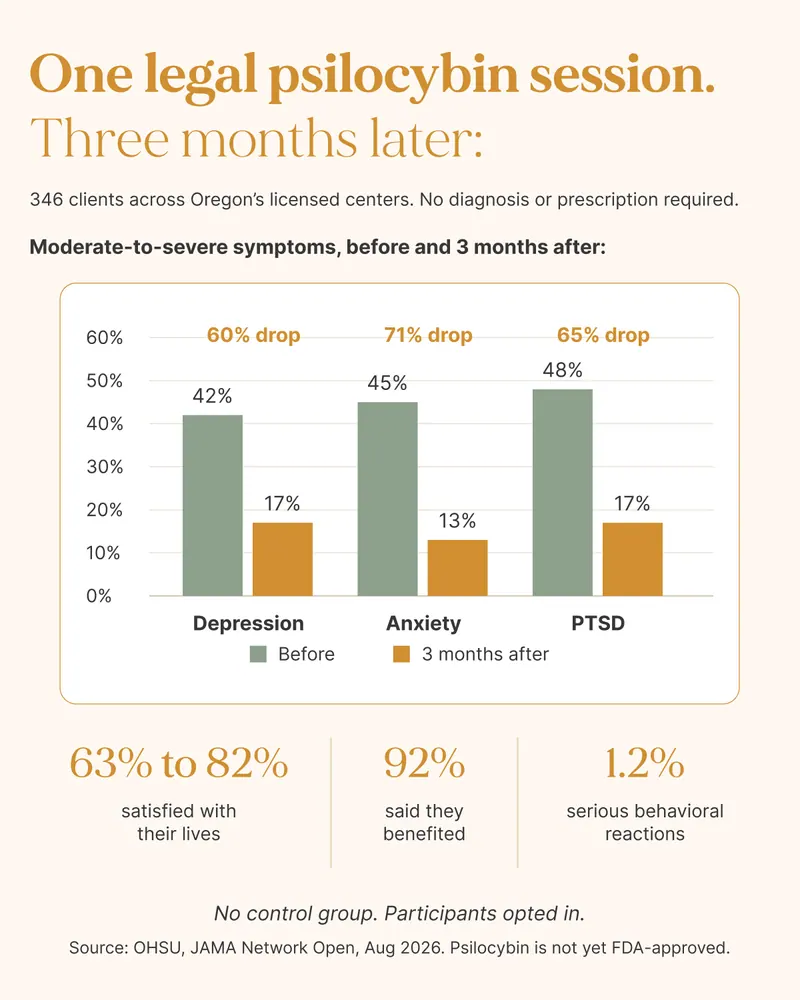
A new OHSU-led study of 346 people at Oregon's licensed psilocybin centers found substantial drops in depression, anxiety, and PTSD three months after…

On April 28, 2026, the Justice Department placed state-licensed medical cannabis in Schedule III. Oregon gun owners can get an OMMP card and use that …
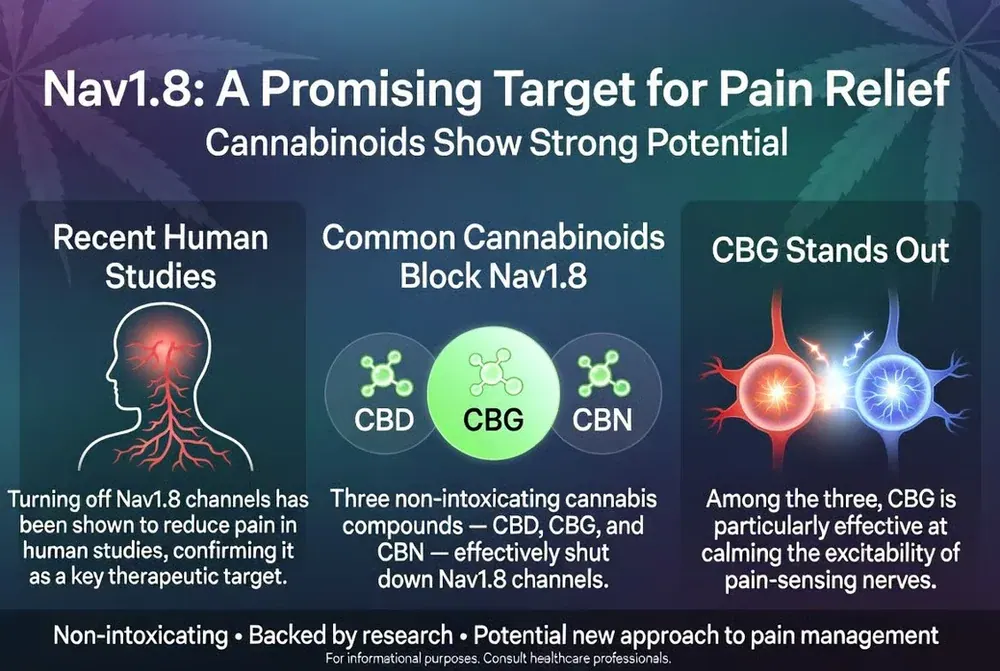
A 2025 Yale study in PNAS found CBD, CBG and CBN inhibit Nav1.8, a pain-signaling sodium channel. Here's what it shows and what it doesn't.