
What an OHSU study found three months after one Oregon psilocybin session
A new OHSU-led study of 346 people at Oregon's licensed psilocybin centers found substantial drops in depression, anxiety, and PTSD three months after…
GEM Blog
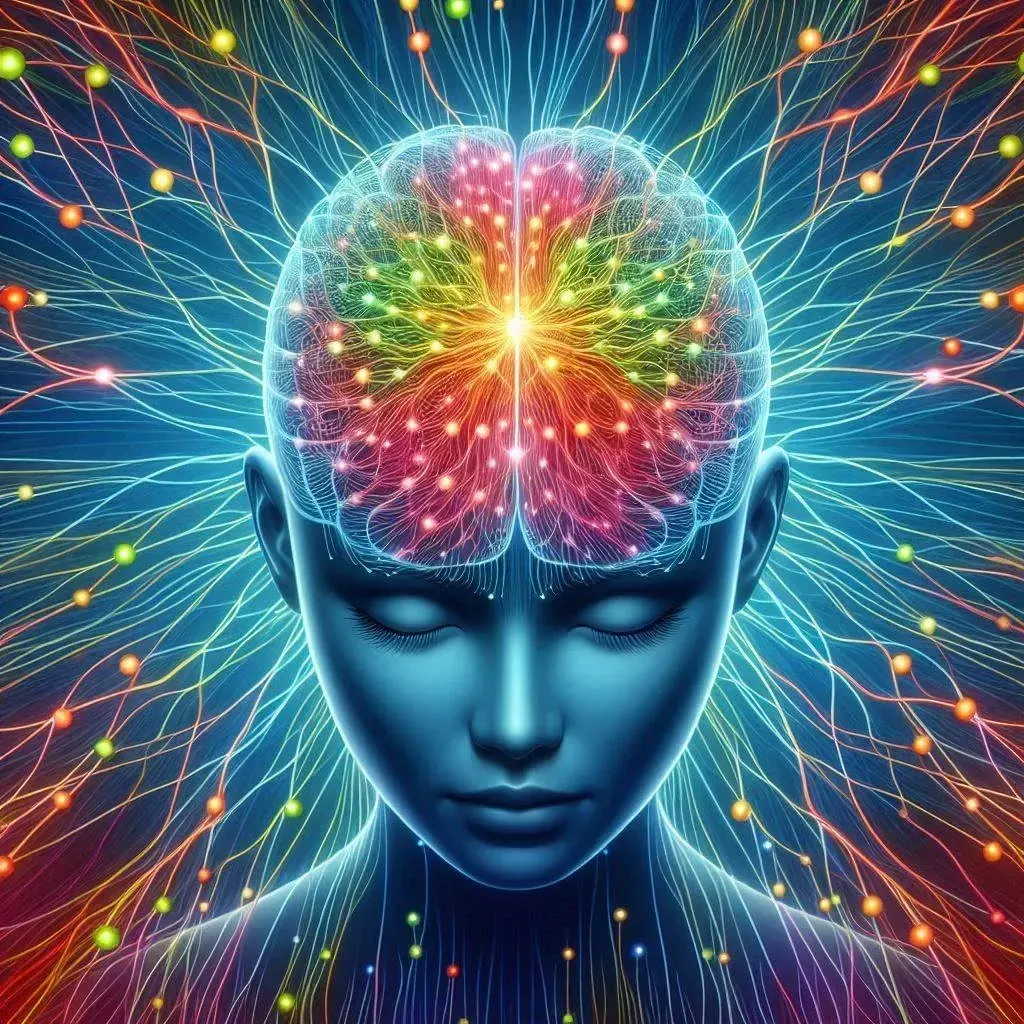
Psilocybin, a naturally occurring compound found in certain species of mushrooms, has gained attention for its potential effects on brain health and creativity. Recent studies suggest that psilocybin may influence brain function in ways that support mental well-being and foster creative thinking. This article explores how psilocybin interacts with the brain, its possible benefits, and what current research reveals about its role in enhancing creativity and brain health.
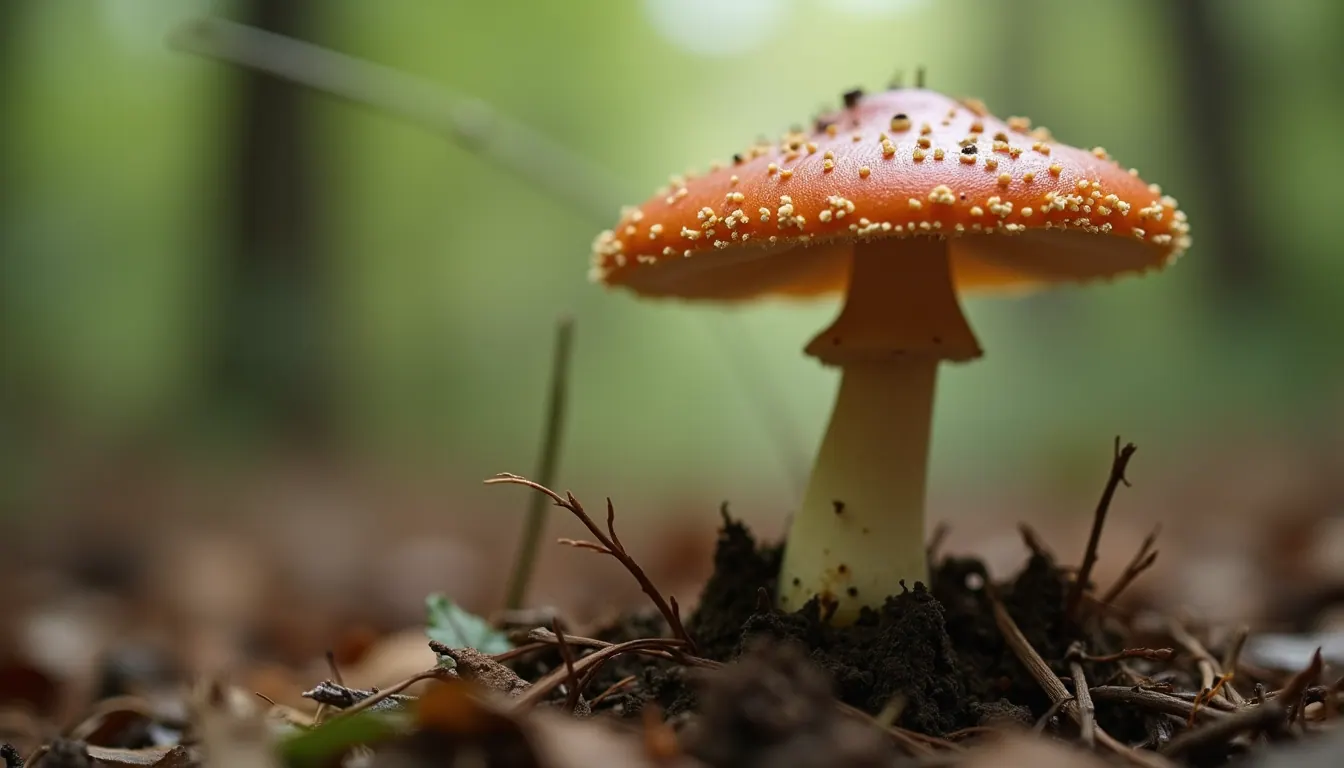
Psilocybin mushrooms growing in their natural habitat, highlighting the source of the compound.
Psilocybin works by interacting with serotonin receptors in the brain, particularly the 5-HT2A receptor. Serotonin is a neurotransmitter that influences mood, perception, and cognition. When psilocybin binds to these receptors, it alters neural activity and communication between different brain regions.
This altered connectivity can lead to:
These changes may explain why psilocybin can temporarily shift perception and thought patterns, opening the door to new ways of thinking.
Creativity involves generating new ideas, making novel connections, and thinking outside conventional boundaries. Psilocybin’s ability to increase brain network integration supports this process by allowing information to flow between regions that usually operate more independently.
Research supports these anecdotal reports. A study published in Psychopharmacology found that psilocybin increased participants’ openness to experience, a personality trait closely linked to creativity.
Beyond creativity, psilocybin shows promise in supporting brain health in several ways:
These benefits are still under investigation, but early results are encouraging.
Psilocybin remains a controlled substance in many countries, and its use should be approached with caution. Here are important points to consider:
If you are interested in exploring creativity through altered states of consciousness, consider these safer alternatives inspired by psilocybin’s effects:
These methods support brain health and creative thinking without legal or health risks.
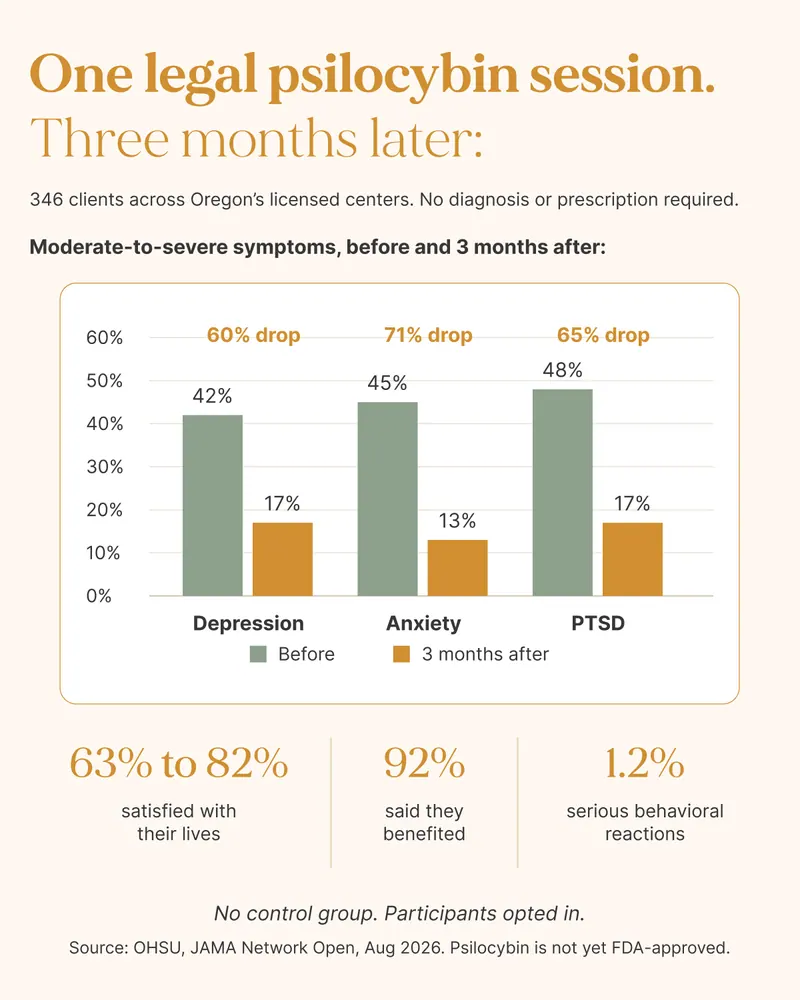
A new OHSU-led study of 346 people at Oregon's licensed psilocybin centers found substantial drops in depression, anxiety, and PTSD three months after…
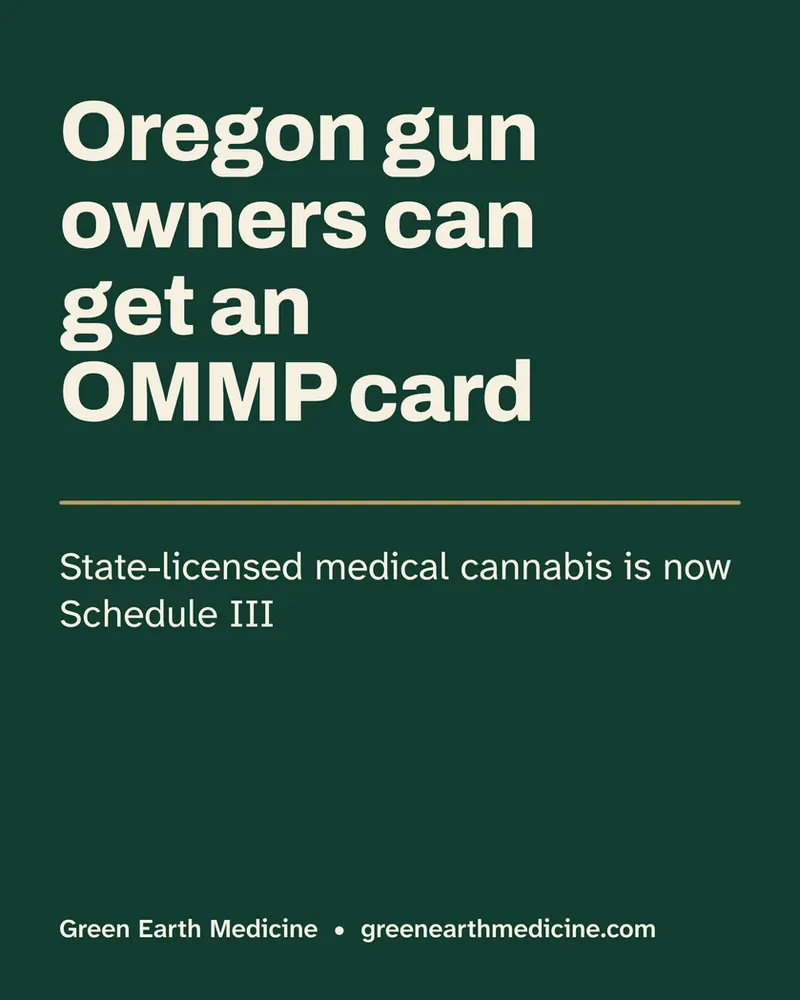
On April 28, 2026, the Justice Department placed state-licensed medical cannabis in Schedule III. Oregon gun owners can get an OMMP card and use that …
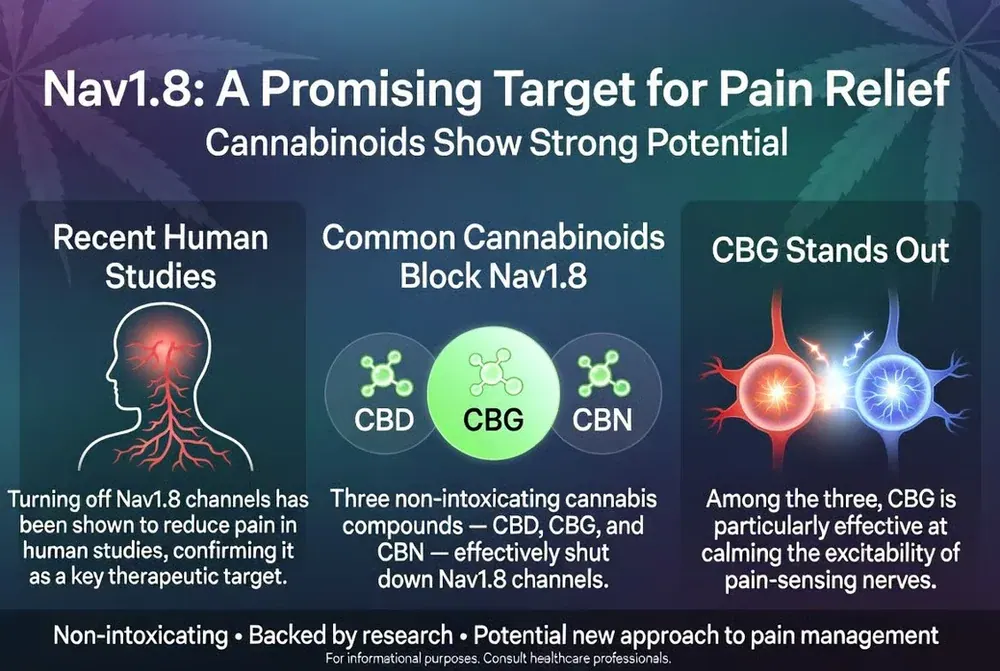
A 2025 Yale study in PNAS found CBD, CBG and CBN inhibit Nav1.8, a pain-signaling sodium channel. Here's what it shows and what it doesn't.