What an OHSU study found three months after one Oregon psilocybin session
A new OHSU-led study of 346 people at Oregon's licensed psilocybin centers found substantial drops in depression, anxiety, and PTSD three months after…
GEM Blog
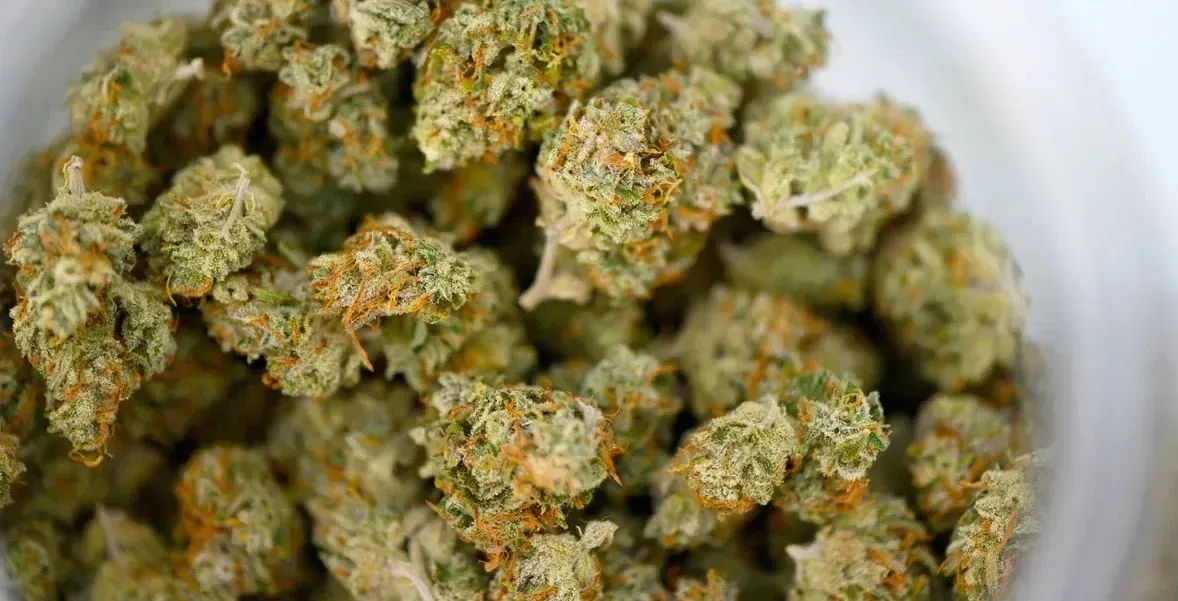
Cannabis research did not pause in 2026. In early November, The Marijuana Herald published a large journalism roundup organizing more than 500 cannabis- and cannabinoid-related studies from the year by medical condition and research topic — from chronic pain and sleep to epilepsy, inflammation, neurological health, product chemistry, and public-health policy.
Source: Over 500 Cannabis Studies Published in 2026, Organized by Medical Condition and Research Topic (Anthony Martinelli, The Marijuana Herald, Nov 8, 2026). The X announcement is here: https://x.com/AMartinelliWA/status/2119576740553277756.
This is a secondary compilation. Each entry summarizes findings and links to the Herald’s coverage, which typically points to the original paper. It is not a peer-reviewed systematic review, a treatment guideline, or proof that cannabis cures any condition.
Like any year’s research, quality varies: randomized trials sit alongside observational registries, lab models, and early mechanistic work. Preclinical results (cells or animals) can inform hypotheses, but they do not automatically translate to safe or effective care for people. That distinction matters for patients and for clinics.
Across the roundup’s table of contents, recurring clinical themes include:
None of these topics is a promise of a specific outcome. They are areas where evidence continues to accumulate — and where clinician judgment, screening, and follow-up remain essential.
At Green Earth Medicine in Oregon, medical cannabis care for adults is grounded in education, careful history-taking, and individualized plans — not headlines.
Dr. Christian Lé has been part of the collection and collaboration around many of the topics reflected in this broader research landscape, and has been applying this knowledge for 15 years across thousands of patient cases. That lived clinical experience does not replace peer-reviewed evidence; it is how a physician helps patients interpret emerging science in the context of their symptoms, medications, goals, and Oregon’s medical cannabis framework.
When new studies appear — whether on pain, sleep, seizures, or product composition — our approach is the same: read carefully, separate early signals from settled practice, and discuss what (if anything) may be relevant for a given adult patient.
If you are exploring physician-guided medical cannabis care, you can learn more or request a consult at greenearthmedicine.com.
Disclaimer: This article is for education only and is not medical advice, a diagnosis, or a guarantee of benefit. Cannabis products discussed in research may not be appropriate for every person. Green Earth Medicine serves adults in legal medical contexts. Always consult a qualified clinician about your own care.
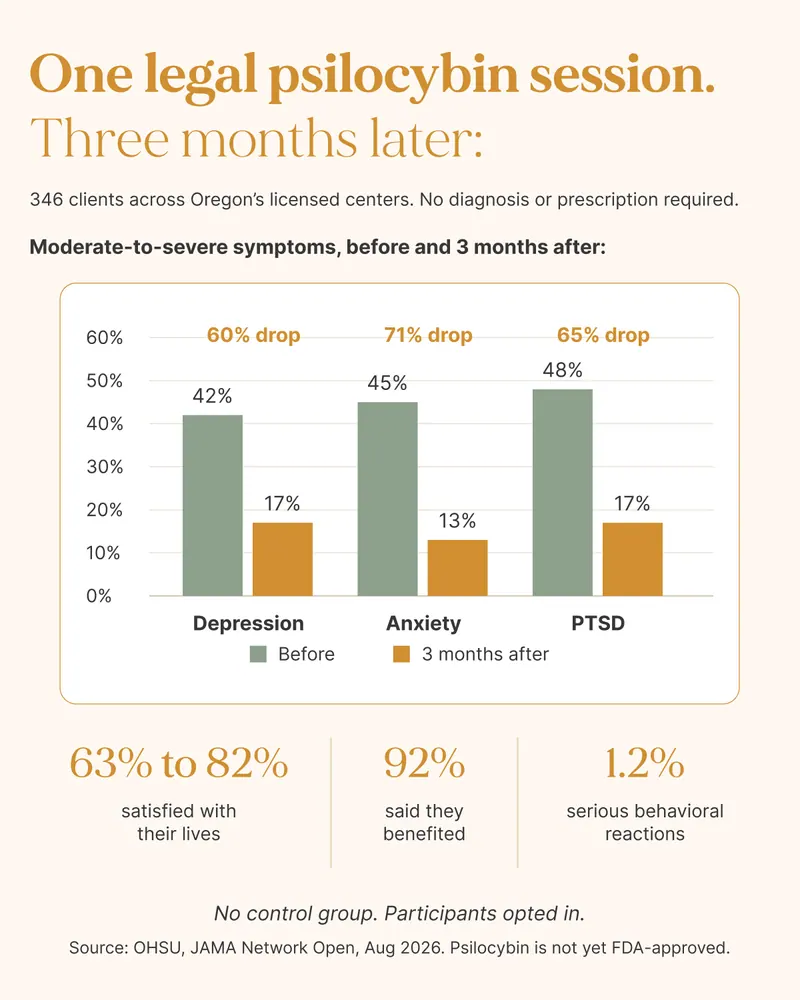
A new OHSU-led study of 346 people at Oregon's licensed psilocybin centers found substantial drops in depression, anxiety, and PTSD three months after…
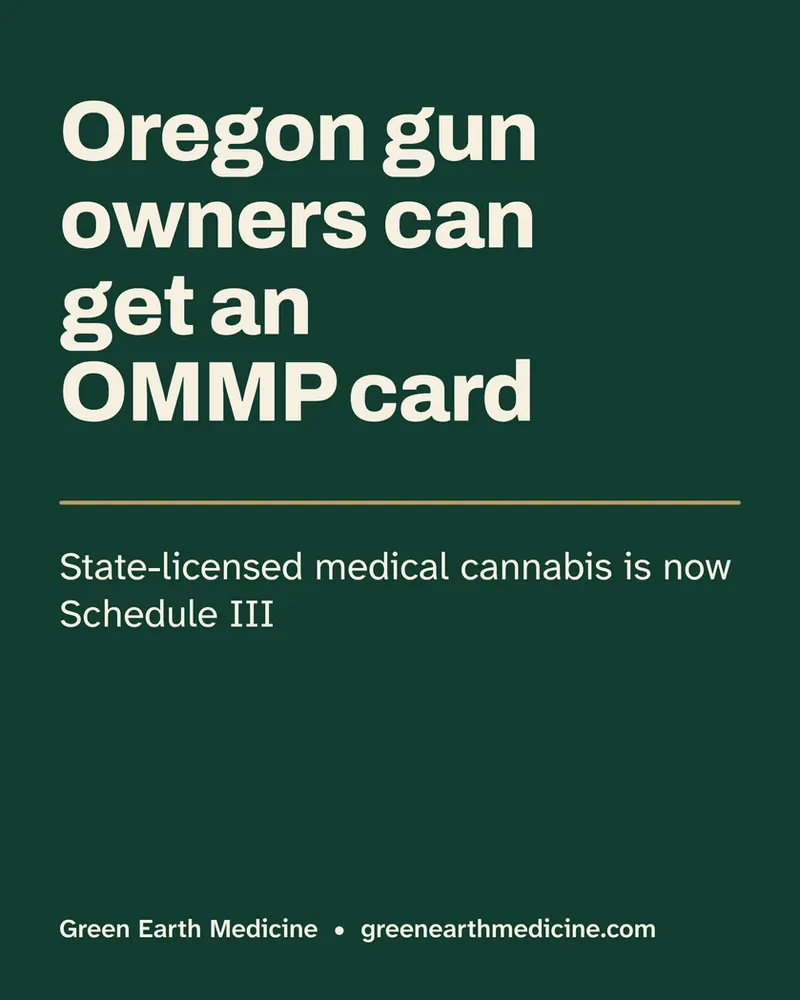
On April 28, 2026, the Justice Department placed state-licensed medical cannabis in Schedule III. Oregon gun owners can get an OMMP card and use that …
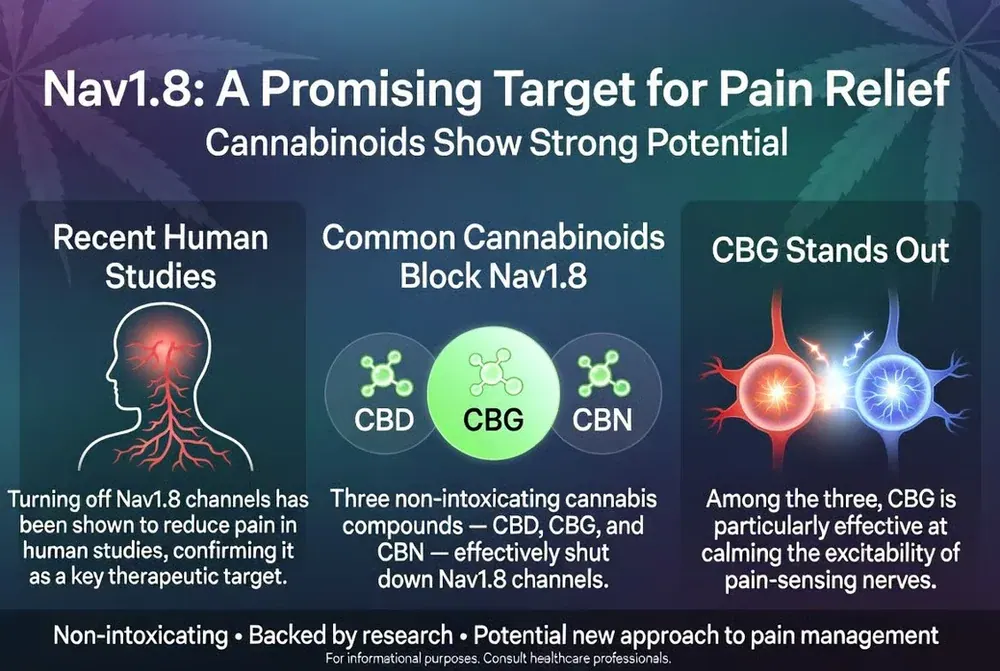
A 2025 Yale study in PNAS found CBD, CBG and CBN inhibit Nav1.8, a pain-signaling sodium channel. Here's what it shows and what it doesn't.